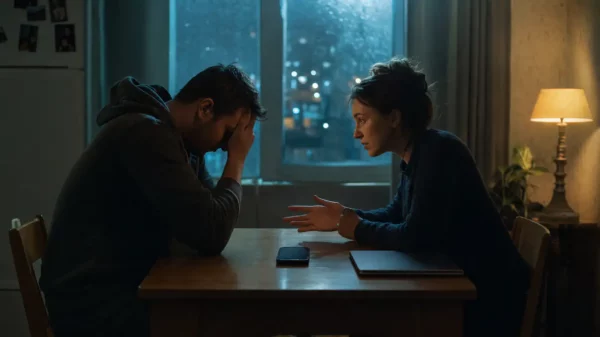

When gambling stops feeling optional
Gambling addiction rarely begins with someone saying, “I’m addicted.” More often, it starts with a win. A rush. A lucky bet. The feeling that you finally figured something out.
In an OpenHalt conversation, psychologists Maksim Skrypinski and Yuriy Novikov talk about gambling without shame or moral panic. Not as a “weak will” problem, but as a cycle that can slowly take over money, sleep, relationships, work, and honesty.
The most painful moment is often not the bet itself. It is what happens after a loss. The game becomes the only thing that seems able to repair the damage caused by the game. One thought gets louder: I just need to win it back.
Gambling, compulsive gambling, and problem betting
People use different words: gambling, gambling disorder, compulsive gambling, problem gambling, betting addiction. They do not always mean the exact same thing.
Gambling is the behavior: risking something valuable for a possible reward. Problem gambling begins when that behavior starts harming life. Gambling addiction is when the urge to keep playing or betting continues despite real consequences.
This article focuses on betting, online casinos, sports betting, slot machines, trading-like risk patterns, and the emotional loop around winning, losing, and chasing.
Warning signs that gambling is taking over
Your mind keeps going back to the game
You replay old bets, imagine future wins, check odds, bonuses, deposits, notifications. Even when you are not gambling, the game stays in the room.
The stakes keep getting higher
Small bets stop giving the same rush. To feel alive, focused, or hopeful, the person needs more risk, more money, more intensity.
Promises do not hold
“Just one bet.” “Only a small amount.” “I’ll stop tomorrow.” Then comes another deposit, another secret, another explanation.
Stopping brings irritability or emptiness
When gambling is no longer available, a person may feel restless, angry, flat, anxious, or trapped. The behavior has become a way to regulate emotion.
Losses lead to chasing
Chasing losses is one of the clearest danger signs. After losing money, the person feels pressure to get it back quickly. That pressure often drives the next round.
From social gambling to harmful gambling
Social gambling
The person plays occasionally or within clear limits. There is a budget. Other parts of life still matter. Bills, sleep, family, work, and school are not being sacrificed.
Problem gambling
Gambling begins to crowd out the rest of life. Money saved for something else goes into bets. There are secrets, arguments, debt, attempts to stop, and returns to the same behavior.
Pathological or compulsive gambling
At this point, the harm is serious. Control is weakened, debt grows, relationships suffer, work or school is affected, and the person may feel panic, shame, hopelessness, or isolation.
The stages of gambling addiction
The winning stage
Early wins can feel like proof. “I know how this works.” “I cracked the system.” The imagination builds a future where bigger bets solve bigger problems.
The losing stage
Gambling becomes more private. The person talks and thinks about it more, lies more, borrows more, and has a harder time stopping. Family life and work begin to feel secondary.
The desperation stage
Debt, shame, and distance grow. Reputation may suffer. Relationships can break down. Some people turn to alcohol, illegal ways of getting money, or complete withdrawal from others.
Why “I’m done” may not be enough
The gambling cycle can restart quietly.
First comes abstinence: no money, pressure from family, exhaustion after a loss, or a sincere decision to stop. Then come automatic fantasies: the win, the comeback, the feeling of being alive again. Ads, bonuses, notifications, cash on hand, alcohol, or stress can all become triggers.
Then the mind says: one small bet will not hurt. If the person has not gambled for a few days, an illusion of control may appear: I’m fine now, I can handle it. That can be the doorway back into the same cycle.
What can help as a first step
- Write down the real amount of money and time spent gambling this week.
- Separate gambling money from rent, food, family needs, and debt.
- Block quick access to apps, betting sites, bonuses, ads, and deposits.
- Do not try to fix a loss with another bet.
- Tell one safe person the truth without minimizing it.
- Reach out to a therapist, addiction counselor, support group, or crisis service.
- If suicidal thoughts are present, seek urgent help in your area right away.
FAQ
Can online gambling be addictive?
Yes. Fast deposits, constant access, bonuses, and notifications can keep the gambling cycle active.
If I can stop for a week, does that mean I’m in control?
Not always. Control is not measured only by a pause. Look at what happens under stress, after a loss, when money is available, or when betting ads appear.
Why do I want to gamble more after losing?
Loss creates pain, shame, and pressure. Gambling then appears to offer quick relief through the hope of winning it back.
When should family members be concerned?
When there are lies, debt, hidden betting, anger when questioned, neglected responsibilities, repeated promises to stop, or a growing obsession with the next win.
OpenHalt
OpenHalt talks about gambling addiction, betting, and recovery in plain language, without shame or moralizing.
If you recognize yourself in this article, start with a conversation, not another promise that the next win will fix everything. Gambling addiction often holds people through hope: one more slot, one more bet, one more deposit, one more chance to win it back.
In OpenHalt, you can join an anonymous chat and write what is happening: online slots, sports betting, debt, chasing losses, hiding the truth, fear of telling family, or the feeling that you cannot stop even when you see the damage.
You do not have to explain it perfectly. One sentence is enough: “I keep gambling, and I do not know how to stop.”
If you are thinking about suicide, may harm yourself, feel threatened because of debt, or feel unsafe, seek urgent help first: emergency services, a crisis line, a doctor, or someone nearby who can stay with you right now.