

The promise of a new start
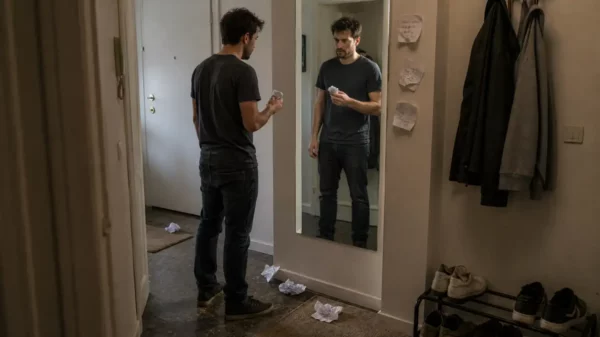
Moving can feel like a clean page. A new country, a new city, new streets, new work, a chance to begin again. For someone in recovery, that hope can be powerful: it will be different there, I’ll finally pull myself together, the past won’t follow me.
In an OpenHalt conversation, Sergey and Yuriy talk about the other side of migration. Moving does not remove addiction. Sometimes it removes the supports that kept a person steady: a group, a therapist, family, familiar healthcare, language, and people who knew the warning signs.
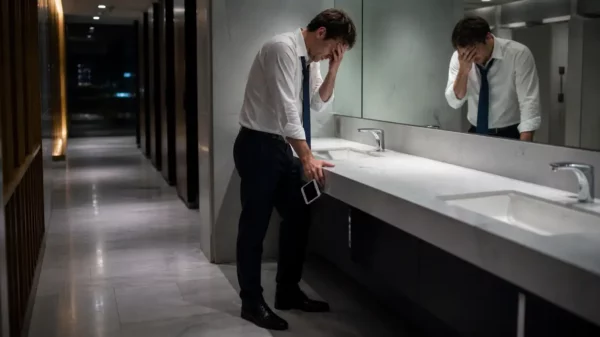
Relapse abroad often does not begin with a wish to destroy life. It begins with pressure that has nowhere to go.
Why migration can increase relapse risk
Almost everything changes
Housing, work, language, culture, paperwork, medical access, social rules. Even a planned move can overload the nervous system. Forced migration can be even more destabilizing.
Stress weakens judgment
In recovery, a person may know very clearly: the first drink or first pill can restart the cycle. But when emotional pressure rises, the mind starts negotiating: maybe just once, maybe to relax, maybe nobody here will know.
If alcohol or drugs are easy to access, that thought can move very quickly into action.
“At home I couldn’t, here I can”
A new country can feel like a place without witnesses. No one knows the story. No one sees the old pattern. That can create a dangerous sense of freedom.
What a person loses after moving
Sleep, food, and a roof
If the basics are unstable, stress rises fast. Recovery is harder when a person does not know where they will sleep, how they will eat, or how they will get through the next week.
Safety
Safety is physical, emotional, and financial. Do I understand the law? Can I explain what I need? Can I pay rent? Are there people who will not shame me?
Belonging
People need to feel accepted somewhere. Abroad, even a strong person can suddenly feel invisible.
The illusion of a new life
Tourist mode
At first, a person walks around, explores, looks at buildings, and feels like they are visiting. Then the return bus never comes. Life has to be built: work, housing, friends, language, documents, rhythm.
For someone with addiction, the gap between fantasy and reality can become risky.
Expectations meet real life
The person imagined freedom and calm. Instead they meet loneliness, bureaucracy, underemployment, language barriers, and exhaustion. Disappointment does not automatically cause relapse, but without support it can become fuel for using.
How to protect recovery abroad
- Stay connected with people from home, even if you have to reach out first.
- Tell the truth, not only the polished version where everything is fine.
- Build a new circle: AA/NA, language communities, sports, volunteering, therapy, recovery meetings.
- Stabilize the basics: sleep, food, housing, documents, simple finances.
- Track emotional pressure every day.
- Create a routine: wake-up time, movement, meals, contact with another person.
- Write down what is happening. Self-observation can reveal cycles that are hard to see in the moment.
If relapse is already happening
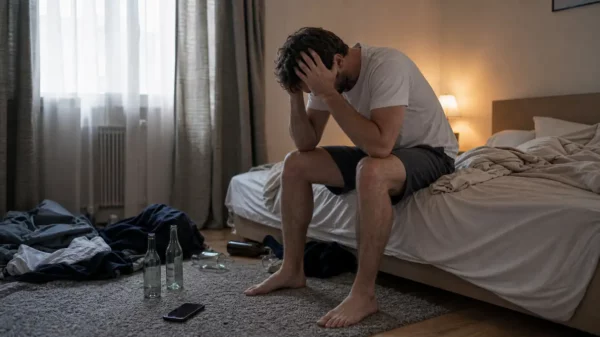
Do not try to be heroic alone. Yuriy says it plainly: stopping a relapse alone is hard for an addicted person, and abroad it can be harder.
An online AA or NA meeting may be the first step. Meetings exist in many languages and can be accessed from a phone, even when there is no money, transportation, or strength to leave the house.
Many countries also have detox services, social programs, rehab centers, crisis lines, and local charities. You do not have to find the perfect option first. You need to start the chain of asking.
FAQ
Why can moving abroad increase relapse risk?
Because stress rises while familiar supports disappear: language, family, meetings, therapy, work, healthcare, and a sense of belonging.
What should I do if I relapsed in another country?
Contact an online AA or NA meeting, a safe person, local crisis support, detox, rehab, or a social service. Do not try to stop alone.
Can online meetings help?
Yes. For many people, they are the fastest way back to human contact when language, money, transport, or energy are limited.
Can moving cure addiction?
No. A new country can offer a new chance, but addiction travels with the person. Support and daily recovery actions still matter.
Keep reading
- Addiction recovery safety plan
- Motivation for recovery and the comfort zone
- How addiction changes the brain and body
OpenHalt
OpenHalt keeps coming back to one simple thing: a person needs another person. This matters even more when recovery is happening far from home, without familiar meetings, language, friends, or routes to help.
If you are abroad and feel relapse risk rising, you do not have to solve the whole country today. Start with one message to people who understand how hard it is to rebuild support from scratch.