
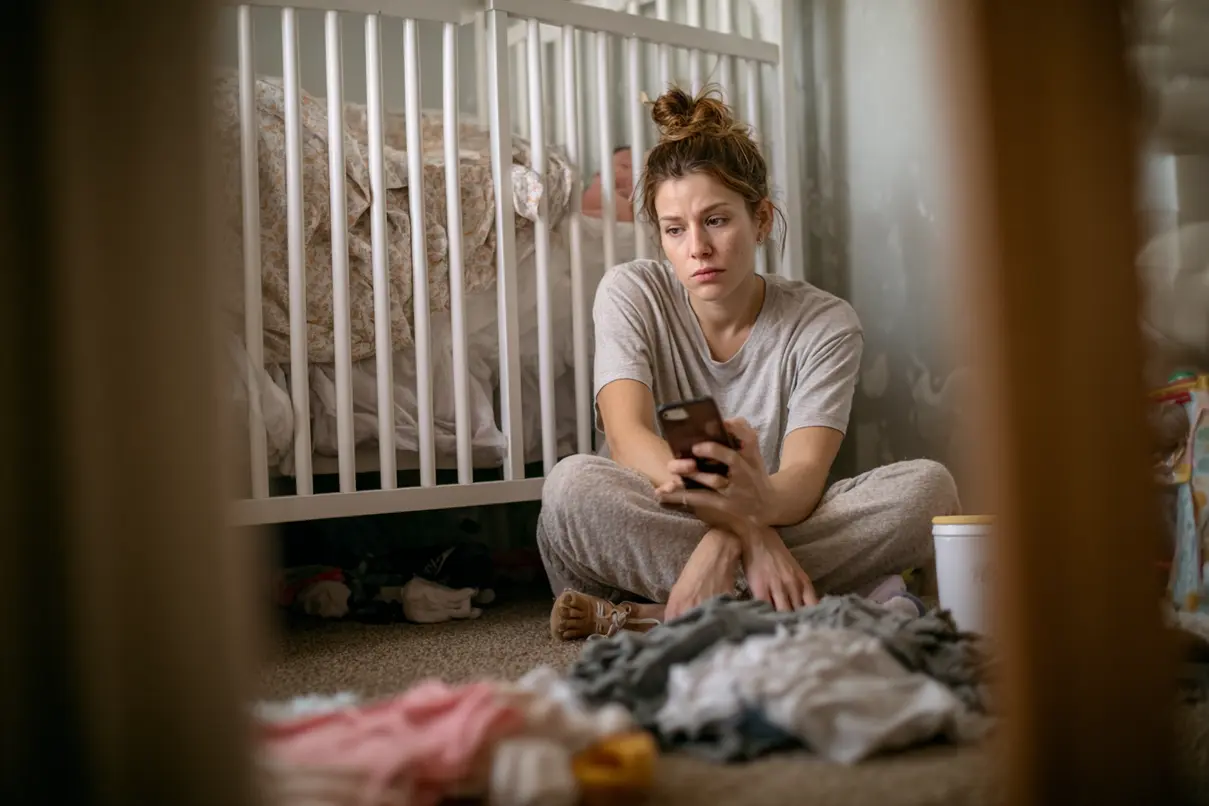
It did not feel like laziness
In this OpenHalt conversation, Masha speaks with Katya Maiko, a psychologist and mother of twins. Katya knows postpartum depression professionally, but also from the inside.
She says the bed felt like it was pulling her in. Her lab tests could look fine, she had support, and still she could not get up. She did not feel happiness, anger, or joy. Just darkness.
When brushing your teeth is a win
In depression, the smallest actions become heavy. Katya remembers feeling proud simply because she got up and brushed her teeth.
That is why “just call a doctor” can be too much. Sometimes a loved one needs to make the call, book the appointment, and help the mother get there.
Naming it: this is depression
The key moment for Katya was admitting that this was real. It was not ordinary tiredness. It was not going to disappear tomorrow just because she tried harder.
Her therapist insisted that she see a psychiatrist. Katya was scared and delayed it for nearly six months.
Psychiatric care and medication
After seeing a psychiatrist, Katya started medication. She says it helped her become more physically and emotionally available again, as if something had unlocked.
This does not mean everyone needs the same treatment. It means treatment should be chosen with a doctor, not through self-prescribing, forums, or alcohol mixing.
Red flags: when help is urgent
Katya speaks openly about suicidal thoughts. If a mother has thoughts of death, harming herself, or harming the baby, or if there is confusion, hallucinations, delusional thinking, or a feeling of losing control, this needs urgent medical help.
Loved ones can help by doing concrete things: finding a doctor, booking the appointment, staying with the baby, going with her, and asking directly about safety.
Support helps, but it does not always prevent depression
Katya had support: her husband, a nanny, her mother-in-law, her mother, and therapy. She still developed postpartum depression.
That matters. Support is essential, but depression is not a moral failure or proof that the home was poorly organized.
Baby blues or postpartum depression
After birth, many people experience crying, anxiety, irritability, and mood swings. If it fades within the first couple of weeks, it may be baby blues.
If symptoms last longer, get worse, interfere with daily life, or include thoughts of death or harm, do not wait.
Social media and the happy-mom facade
Katya had photos where she looked completely fine. A family photo shoot, smiles, a beautiful image. Inside, things were unbearable.
Social media shows fragments, not the whole life. One happy photo does not tell you what is happening behind the door.
What you can do
- Tell one person the truth without joking it away.
- Ask someone to help find and book a doctor.
- Contact an ob-gyn, primary care doctor, psychiatrist, or therapist.
- Do not self-prescribe antidepressants or mix medication with alcohol.
- Seek urgent help for thoughts of death, self-harm, harm to the baby, psychosis, or loss of control.
- Ask for concrete help: sleep, food, a shower, quiet, childcare, and company.
FAQ
How is baby blues different from postpartum depression?
Baby blues usually starts in the first days after birth and fades within one to two weeks. Postpartum depression lasts longer, is more intense, and may include thoughts of death.
When is postpartum depression urgent?
When there are thoughts of death, harming yourself or the baby, hallucinations, delusional thoughts, loss of control, or inability to meet basic needs.
Can medication help postpartum depression?
Medication can help, but it should be prescribed and monitored by a doctor. Self-treatment can be risky.
How can loved ones help?
Do not minimize it. Help book care, go with her, watch the baby, make food, let her sleep, and ask directly about safety.
OpenHalt
OpenHalt talks about mental health without shame. If you recognize yourself in this story, please do not wait until it becomes unbearable. You can start with one honest step: join an anonymous chat and say what is happening without pretending you are just tired.
If you have thoughts of death, harming yourself, or harming the baby, seek urgent help in your country and contact someone who can be with you right now.
Join the chat “After birth, I am not okay”