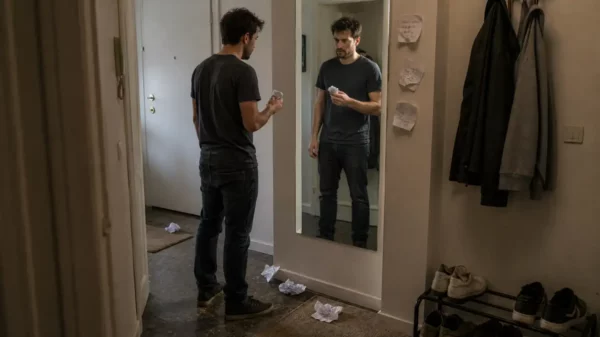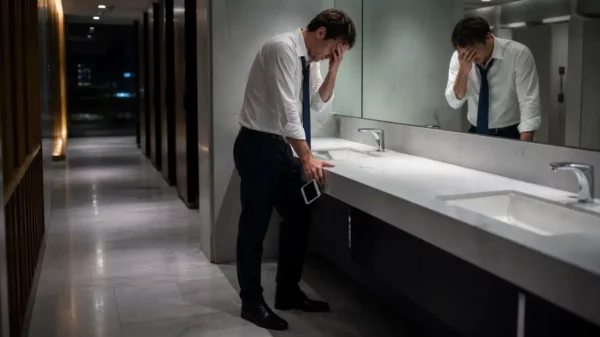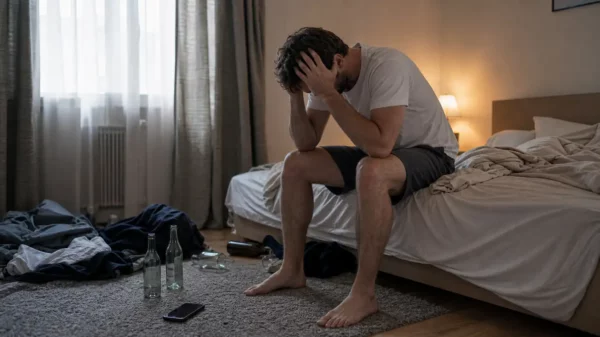


A night without relapse starts before it gets late
The most dangerous mistake is waiting until craving is already strong. In the evening, things may feel under control. Later at night, loneliness, exhaustion, anxiety, shame, insomnia and the thought “now I can” may arrive.
A night without relapse is not built on heroics. It is built on simple barriers: less access, more contact, fewer decisions in the dark and a clear plan for the wave.
If there are seizures, confusion, hallucinations, loss of consciousness, breathing problems, severe chest pain, severe withdrawal, suicidal thoughts or self-harm risk, this is not a night plan. It is a reason for urgent help. OpenHalt does not replace emergency services.
Plan before evening
If you know nights are dangerous, prepare before the brain starts bargaining. The fewer decisions left for late hours, the less chance addiction has to use exhaustion.
- Remove alcohol, substances, money, bank card, delivery apps, dealer contacts or people from the old circle.
- Tell one person: “Tonight may be hard. Can I message you if it hits?”
- Prepare simple food, water, shower, warm clothes and a charged phone.
- Do not leave important conversations and conflicts for late evening.
- Decide in advance where you will go if craving grows: a room with people, a call, chat, group or safe place.
If craving comes in a wave
Craving often does not stay equally strong all night. It rises in waves. At the peak it can feel endless, but the task is not to defeat the whole night at once. It is to get through the next 10 minutes.
- Name the state: “This is craving, not a decision.”
- Set a timer for 10 minutes.
- Move somewhere with less access and more people.
- Message a person before acting.
- Repeat the cycle if the wave does not pass.
NIDA describes changes in brain systems involved in reward, stress and self-control in addiction. Craving does not prove weakness, but it does require a prepared environment.
If you cannot sleep
Insomnia often pushes toward relapse: “I will not sleep anyway”, “I need something to turn my head off.” But random sleeping pills, sedatives, alcohol or substances can worsen the situation and create medical risk.
Do not take medication without a doctor, especially after alcohol or other substances. NIAAA warns about potentially dangerous mixes of alcohol and medications. If insomnia is connected with severe withdrawal, strong shaking, hallucinations, seizures or confusion, medical help is needed.
If anxiety or panic starts
Panic at night can feel like a threat to life: heart racing, air hunger, shaking, racing thoughts. NIMH describes these as possible panic attack symptoms. But after alcohol, substances or withdrawal, do not explain away chest pain, fainting, seizures, hallucinations or severe shortness of breath as panic.
If there is no immediate danger, return to simple steps: sit safely, do not add substances, message a person, make no night decisions and get through the next minutes.
What not to do at night
- Do not check old contacts just to look.
- Do not keep alcohol or a substance nearby as a test of strength.
- Do not send long shame messages.
- Do not search every body sensation for a diagnosis until morning.
- Do not take random medication.
- Do not decide that one hard evening erases the whole path.
What to say to the person on call
You can keep it short:
“Tonight I need to get through without relapse. If I message you that craving hit, do not scold me. Help me pause, reduce access and not stay alone.”
If the situation becomes dangerous, say clearly: “I need urgent help.”
In the morning, reinforce the result
If the night passed without relapse, do not minimize it. Even if you slept badly, cried, got angry, wrote to chat or simply lay there, it still interrupted the old script.
In the morning, write down what helped, where the most dangerous point was, whom you managed to message and what needs to be prepared for the next night. One night can become part of a recovery plan.
FAQ
How do I get through the night without relapse?
Prepare before late evening: reduce access, warn a person, do not stay alone, set a craving plan and avoid big decisions at night. If danger signs appear, urgent help is needed.
What if craving hits at night?
Pause for 10 minutes, move away from access, message a person before acting and repeat the cycle until the wave weakens. Do not inspect the substance and do not stay alone with it nearby.
Can I drink or take a pill to sleep?
Do not use alcohol, substances or random medications for sleep. Mixing can be dangerous, especially after use or during withdrawal. If the state is severe, contact a doctor.
When does a night without relapse require urgent help?
With seizures, confusion, hallucinations, loss of consciousness, breathing problems, chest pain, severe withdrawal, suicidal thoughts or self-harm risk, urgent help comes first.
OpenHalt
If there is threat to life, seizures, confusion, hallucinations, breathing problems, severe withdrawal, suicidal thoughts or self-harm risk at night, urgent help comes first. OpenHalt does not replace emergency services.
If there is no immediate danger, you can write anonymously in OpenHalt: “I need to get through the night without relapse.” In a psychologist-led room, you can set night barriers in advance, get through craving in contact and review what worked in the morning.
In anonymous chats, you can write at night when sleep will not come, thoughts speed up, and being alone feels harder.
In OpenHalt rooms, psychologists and psychotherapists lead focused conversations, help make sense of patterns, and offer a safer next step.
Find specialist-led rooms on this topic
If you want one-to-one support, you can search for a specialist by topic, read their profile, and start with a clear first contact.
Read next
- Addiction recovery safety plan
- How to deal with anxiety
- Addiction recovery: relapse, motivation and family support
Sources
- NIDA: Drugs and the Brain – supports craving, stress and self-control framing in addiction.
- NIMH: Panic Disorder, What You Need to Know – supports panic symptom descriptions.
- NCBI Bookshelf: Alcohol Withdrawal Syndrome – supports warnings about severe alcohol withdrawal.
- NIAAA: Alcohol-Medication Interactions – supports warnings about mixing alcohol with medications.
- NIDA: Treatment and Recovery – supports recovery and support framing.