
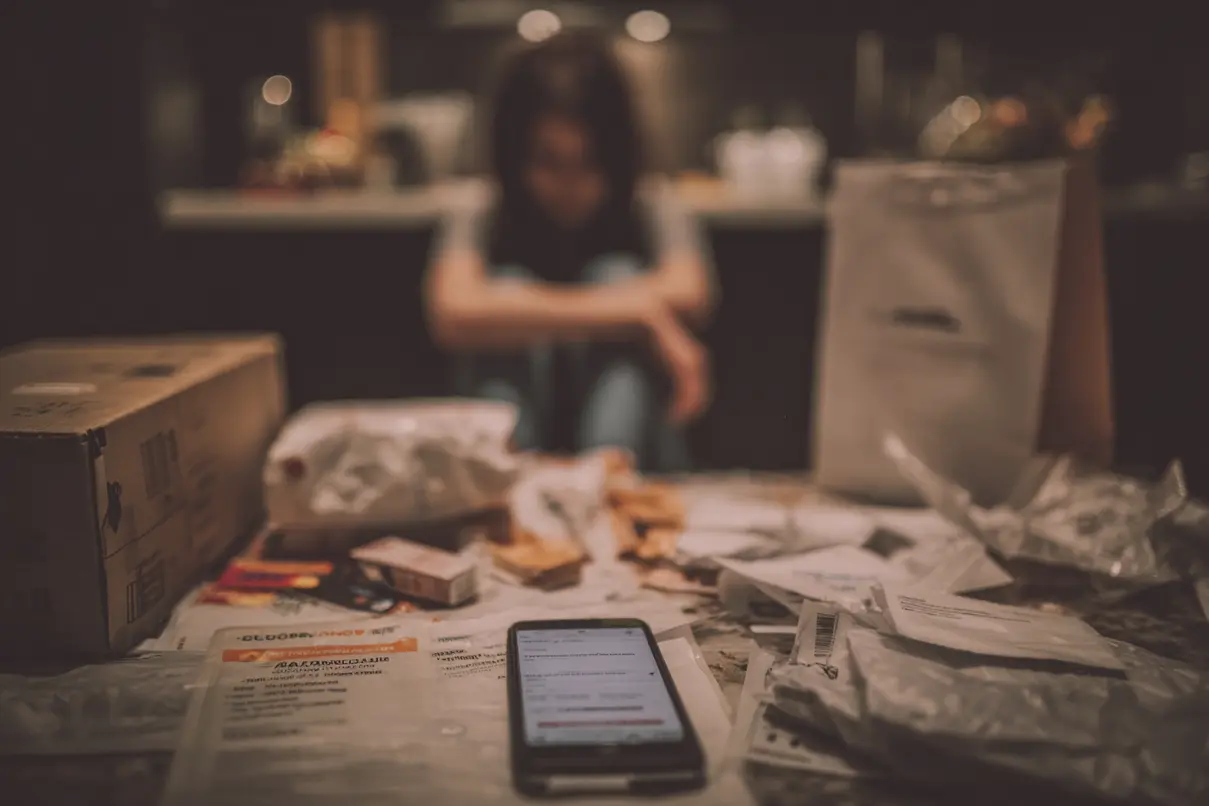
The purchase that does not bring relief
The OpenHalt conversation starts in a familiar season: Black Friday, holiday gifts, discounts, shopping apps, wish lists, carts, push notifications, deliveries. On the surface, nothing looks unusual. People buy things. People enjoy beautiful things.
But psychotherapist and addiction specialist Elena Chenesova moves the conversation into the place people rarely show: the moment after the purchase, when the dopamine fades and what remains is debt, secrecy, shame, and the thought, “How did I do this again?”
This is where shopping stops being a treat and becomes emotional regulation.
Where normal shopping ends
Elena’s first marker is consequences. Not the number of bags. Not loving perfume, clothes, books, courses, gadgets, or home decor. The key question is what happens afterward.
Can you afford it? Can you talk about it honestly? Does it fit your life? Or do you hide boxes, delete receipts, lower the price when someone asks, and avoid opening your banking app?
Impulse buying versus compulsion
Impulse buying can happen to anyone. A discount, a beautiful display, a checkout-zone item, a perfectly timed ad. That alone is not a diagnosis.
Compulsion is different. The person starts thinking about shopping at work, at home, with kids, with a partner, before payday. The item itself may not matter much. What matters is the ritual: open the app, scroll, save, add to cart, wait for the delivery.
Online marketplaces, debt, and hidden boxes
In the episode, Elena describes a painful case. A woman began with online marketplace purchases and credit. Then she consolidated smaller debts into larger ones, kept buying, moved into short-term loans, and eventually faced bankruptcy.
She was not lazy or unintelligent. She was capable, working, and talented. That is what makes high-functioning addiction so hard to recognize: life may still look organized from the outside while one private area is collapsing.
Secrecy is a warning sign
Hidden boxes. Thrown-away receipts. Shoes brought home inside another bag. Prices quietly reduced in conversation.
Secrecy often means the person already knows something is wrong. But knowing is not the same as being able to stop. Shame can become the next trigger for another purchase.
What people buy compulsively
Shopping addiction is not only about clothes or makeup.
For some people, it is status: brands, labels, luxury items, the feeling of looking successful. For others, it is discounts: the rush of catching a deal. For men, Elena often sees gadgets, sneakers, watches, tech, and sports devices. For others, it may be books, online courses, art albums, or “useful” self-improvement purchases that never get used.
The category changes. The cycle stays similar.
Why buying can feel so powerful
Elena frames shopping as a way to change state. A person feels lonely, rejected, anxious, bored, or empty. They buy something, and for a few minutes the world feels warmer.
The brain remembers that relief. It does not always remember the consequences with the same emotional force.
Anticipation can be stronger than the item
Waiting for the package, tracking delivery, imagining the new version of yourself, unboxing the item – anticipation is often stronger than ownership.
That is why the joy can disappear so quickly. The object arrives, and the nervous system starts looking for the next lift.
The shopping addiction cycle
The cycle often looks like this:
- Trigger or inner tension.
- Urge to open the store, app, or website.
- Purchase.
- Brief relief.
- Emotional crash.
- Shame, guilt, fear.
- Another purchase to numb those feelings.
When there is no obvious trigger
At a later stage, the person may not need an ad, a sale, or a friend’s new bag. They already know shopping can change how they feel. They may promise to stop, hold out for a few days, then return to the app because the inner tension has become too loud.
Myths about shopping addiction
It is not only a women’s issue
Women may be more visible in treatment, but men can struggle too. The objects often differ: tech, sneakers, watches, sports devices, status items.
Income does not protect you
More money does not automatically mean more control. Compulsive buying can scale with income until debt, credit, or financial secrecy appears again.
Willpower alone is not enough
Many people with addictive patterns are disciplined in work, school, fitness, or parenting. The addictive loop is not fixed by self-hatred. Recovery usually needs structure, support, emotional skills, and honest limits.
What can help
- Review one month of bank statements without attacking yourself.
- Mark purchases followed by shame, fear, secrecy, or regret.
- Add a delay: 2 hours for small purchases, 24 hours for non-essential ones.
- Turn off store notifications and unsubscribe from sales emails.
- Remove saved cards from shopping apps.
- Set daily card limits or use cash with a written list.
- Check HALT before buying: hungry, angry, lonely, tired.
- Track the feeling before the urge: what happened right before you wanted to buy?
- Replace the regulation tool: walking, movement, dance, breathwork, therapy, support groups, a safe call.
- If debt, payday loans, depression, self-harm thoughts, or loss of control are present, seek professional support and do not handle it alone.
FAQ
What is oniomania?
Oniomania is a term often used for compulsive buying, where the urge, ritual, anticipation, and short-term relief of shopping become more important than the actual need for the item.
How do I know if shopping has become an addiction?
Look at consequences: debt, secrecy, shame, repeated broken promises to stop, growing spending, distress when you cannot buy, and using shopping to regulate emotions.
Are online marketplaces a risk factor?
They can be for vulnerable people because they shorten the path between urge and action: notification, cart, saved card, payment, delivery, and sometimes buy-now-pay-later options.
Can shopping addiction affect men?
Yes. Men may buy different categories, such as gadgets, sneakers, watches, sports gear, or status items, but the loss-of-control cycle can be similar.
Can I stop compulsive buying on my own?
Early patterns may improve with spending awareness, delays, limits, trigger reduction, and emotional tracking. If debt, depression, secrecy, or loss of control is already present, professional support is safer.
OpenHalt
OpenHalt talks about addiction without shame or mockery. If you recognize yourself here, start with one honest step: open your bank statement, remove one trigger, and tell one safe person what is happening.
If shopping has become a way to escape anxiety, emptiness, loneliness, or shame, you do not have to sort it out in silence. You can start with one conversation and one pause before the next purchase.
Join the chat “Shopping is out of control”