
Introduction
People often talk about addiction as if it were only a problem of willpower. From the outside, the path seems simple: understand the harm, pull yourself together, stop.
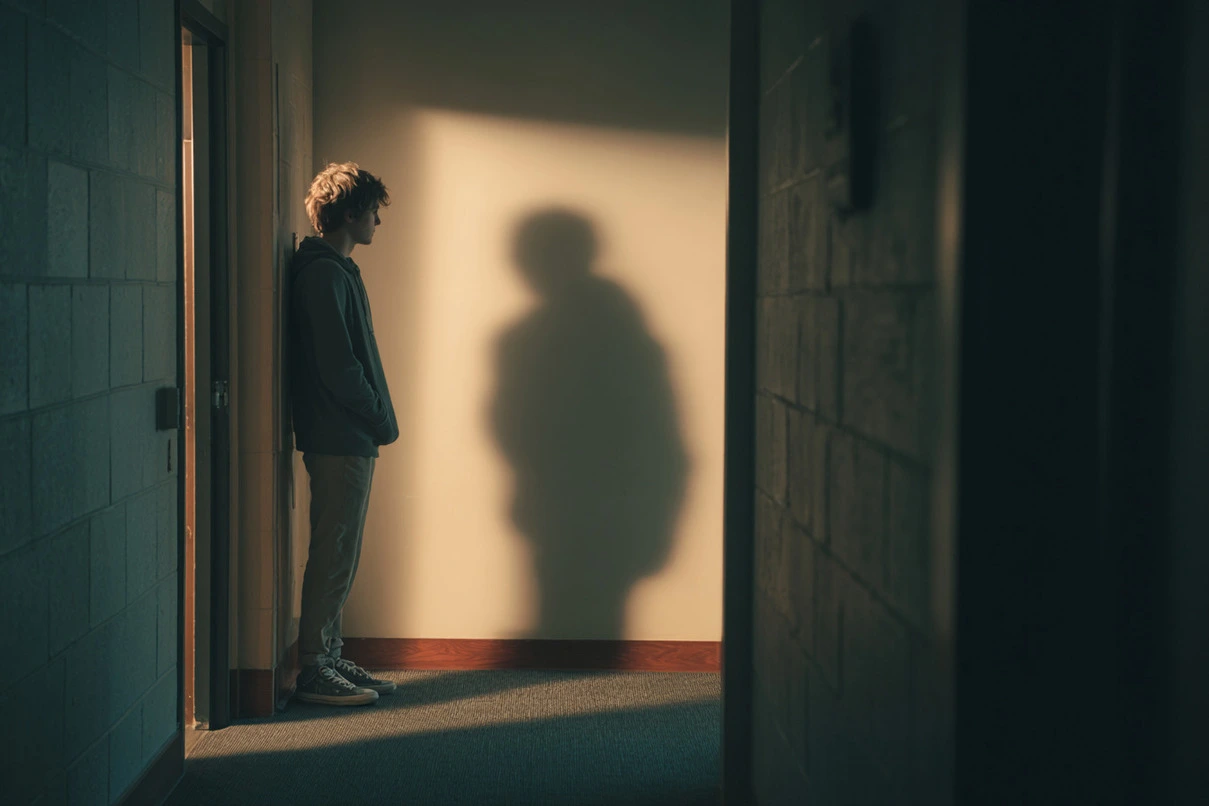
From the inside, it can feel more like fighting a shadow inside your own body. A person is not only fighting the urge to use. They are fighting a body that has learned to rely on an outside stimulus, a brain that has rebuilt its motivation pathways, and a sense of self where shame, fear, or trauma may have been running in the background for years.
In an OpenHalt conversation, psychologist Maksim Skripinski spoke with Daria, a psychiatrist and addiction specialist, about what happens inside a person with addiction. The conversation was not about scare tactics or moral judgment. It was about the body, the brain, and why early sobriety needs consistency more than heroics.
Is There an Addiction Gene?
One of the most common questions is whether addiction is inherited.
Daria’s short answer: there is no single addiction gene. But there are traits that can make a person more vulnerable. Addiction risk is shaped by many factors: stress response, receptor sensitivity, dopamine pathways, impulsivity, early environment, and trauma.
A person does not inherit addiction fully formed. They may inherit a nervous system that has a harder time handling stress, anxiety, impulse, or intense stimulation.
The conversation touches on cortisol receptors. In people with anxiety disorders, these receptors may be more sensitive. People with addiction often have trouble regulating stress as well. If the body reacts sharply to stress, a substance can become a fast way to shut down something that feels unbearable.
Trauma, Stress, and Epigenetics
Genes are not always active in the same way. Environment can influence which settings in the body get switched on. In simple terms, this is epigenetics: life experience can affect how the body runs its internal programs.
Daria gives the example of children of people who survived famine. The children may never have experienced hunger themselves, yet the body can still carry survival-oriented settings. Maksim mentions an experiment with mice, a flower scent, and fear responses in later generations.
The point is not that a person is doomed. The point is that trauma, chronic stress, early insecurity, and family environment can change the starting line.
For some people, a substance is not a search for pleasure. It is the first moment in a long time when they can exhale.
Dopamine Is Not Just Pleasure
Pop culture often calls dopamine the pleasure chemical. Daria offers a more useful frame: dopamine is strongly tied to motivation to repeat.
You can get a strong dopamine signal without real pleasure. Smoking often works that way. A person lights a cigarette automatically and barely notices the beginning or the end. Pleasure may be there, but the main message is: do it again.
When a person uses a psychoactive substance, the dopamine system gets a powerful hit. The person may not feel happiness. They may feel relief. For the first time in a long while, they may feel normal. Not amazing. Just normal.
For someone carrying trauma, shame, anxiety, or emptiness, that can become the hook.
The Prefrontal Cortex: Understanding Is Not the Same as Being Able to Stop
Daria explains the brain through two areas of the prefrontal cortex.
One area is linked to judgment, willpower, analysis, planning, and the ability to do something now for a future benefit. Another is closer to emotion, time perception, and the self-image: am I good or bad, do I deserve love, am I safe?
When a person uses, the emotional system gets strong stimulation while the control system loses influence. Judgment drops. Behavior becomes harder to regulate. The sense of self blurs.
If a person normally lives with the feeling “I am bad,” “I do not belong,” or “I am not safe,” a substance can temporarily remove that inner barrier. It creates a substitute for a met need: as if the person can finally relax, feel contact, and stop scanning for danger.
Then the substance wears off. The old sense of self returns. The contrast hurts. And the brain remembers: this can be repeated.
Why the Brain Changes Even When a Person Is Sober
Addiction does not end the moment the substance leaves the body. The brain is efficient: it strengthens what is used often and weakens what is used less.
If a person repeatedly follows the path of substance use, pathways linked to impulse, relief, and emotional stimulation get stronger. Pathways linked to planning, effort, and analysis can weaken.
That is why a person with addiction may feel different even when sober. Moving from point A to point B can require more effort than it does for someone else. Not because they are lazy. Because the control system needs rebuilding and practice.
Allostasis in Plain Language
Homeostasis is the body’s ability to return to baseline. You run for a bus, your heart rate and breathing speed up, then gradually return to normal.
Allostasis is different. The baseline changes so that normal functioning starts to require an outside input.
In addiction, that can mean a person begins to need a substance in order to get up, work, talk, feel less anxious, and function like themselves.
The brain tries to protect itself from constant dopamine overload by reducing sensitivity. Ordinary stimuli – food, sleep, walking, sex, talking to someone close – no longer create the same response.
In early sobriety, a person may honestly think, “Is this it? I got sober for this?” That is not ingratitude. It is a system recovering after learning to expect too much stimulation from one source.
How the Brain Learns Sobriety
The early task is to stay sober and train the part of the brain responsible for planning, willpower, and acting in line with a chosen direction.
But this training does not come from a heroic overhaul. Not two jobs, a perfect gym routine, a new personality, and a need to prove to everyone that everything is fixed now. That kind of sprint often ends in burnout.
What works is smaller: modest tasks, every day, with consistency.
Ten minutes of exercise, for example. Not thirty if the plan was ten. The goal is not to become a workout hero. The goal is to give the brain an experience: I set a plan and I follow it.
Maksim gives a simple everyday example: walking home from the store with bags and not switching hands for another few minutes. A small effort. Not a dramatic test. But repeated actions like this help rebuild contact with willpower.
Consistency Before Intensity
The conversation includes the English phrase “fake it till you make it.” Here it does not mean pretending for other people. It means repeating normal healthy inputs until the system begins to respond again.
Sleep. Food. Movement. Human contact. Small plans. Moderate physical activity. Paying attention to what the body feels.
At first, these things may not feel rewarding. But the brain learns through repetition. What gets used grows stronger. What is no longer fed by the substance slowly loses power.
A Psychologist’s Perspective
This conversation matters because it removes the moral label from addiction without removing responsibility.
If you tell a person, “You are just weak,” you give them shame. Shame rarely supports recovery. More often, it drives isolation and relapse.
If you tell a person, “Your brain changed, so nothing is up to you,” that is another dead end. Then action disappears.
The useful middle ground is this: addiction changes the body and brain, so recovery takes support, time, and repetition. But the brain is plastic. If it learned addiction, it can gradually learn sobriety too.
What You Can Do
- Stop explaining addiction as weak willpower. Ask what system needs to be rebuilt.
- Do not expect sobriety to feel rewarding right away. Ordinary life may feel flat at first.
- Choose one small daily task: ten minutes of movement, a walk, a shower, journaling, a call to a support person.
- Follow the exact plan. If the task is ten minutes, do not turn it into a marathon.
- Reintroduce normal inputs: sleep, food, movement, connection, routine.
- Use support: a doctor, therapist, group, recovery environment, or people who can hear the truth.
- If relapse risk rises, reach out for professional help instead of waiting for it to pass on its own.
FAQ
Is there an addiction gene?
There is no single addiction gene. But inherited traits can increase vulnerability, including stress response, receptor sensitivity, dopamine function, impulsivity, and anxiety sensitivity.
Why can’t a person with addiction just stop?
Because addiction changes motivation, self-control, and the way a person experiences themselves. Someone can understand the harm and still have a weakened ability to stop an impulse and tolerate ordinary discomfort.
What is allostasis in addiction?
Allostasis means the body changes its baseline settings and begins to need an outside substance in order to feel normal and function.
Why does sobriety feel boring at first?
The brain has adapted to strong stimulation. Ordinary rewards may feel weak for a while as the dopamine system and daily responses recover.
How can someone rebuild willpower in early sobriety?
Through small repeated actions, not grand gestures. The task is to give the brain daily evidence: I can make a plan and follow it.
Takeaway
Addiction is a fight with a shadow inside the body. Not with one desire or one bad decision, but with a changed system of motivation, memory, stress, willpower, and self-image.
But if the brain can learn addiction, it can learn sobriety. Not instantly. Not through one heroic leap. Through repetition, moderation, support, and small actions that slowly return the feeling: I can.
OpenHalt
OpenHalt talks about addiction and sobriety in plain language, without shame or verdicts.
If you recognize yourself in this article, start with a conversation, not a promise that everything will change on Monday. Early sobriety can feel strange: ordinary life may feel empty, the body may want the old stimulus, and people close to you may not understand why “just stop” does not work.
In OpenHalt, you can join an anonymous chat and write what is happening: cravings, fear of relapse, boredom in sobriety, trouble keeping a routine, shame, anger, or the feeling that your brain is not listening to you.
You do not have to sound strong. One sentence is enough: “I am staying sober, but it is hard.”
If there is a risk of relapse, overdose, self-harm, or the situation feels unsafe, seek urgent help first: emergency services, a doctor, a crisis line, or someone nearby who can stay with you right now.