
The first night is not a strength exam
The first night after a relapse, binge, withdrawal or decision not to use can feel endless. The body is tired, sleep does not come, thoughts are loud, shame brings back fragments of yesterday, and craving offers a simple exit: “One more time, just to make it quiet.”
You do not have to become an ideal person tonight. You do not have to solve your whole life, explain everything to everyone or swear forever. The task is narrower: reach morning without new harm.
If there are seizures, confusion, hallucinations, strong shaking, chest pain, severe shortness of breath, loss of consciousness, vomiting with dehydration, self-harm risk or suicidal thoughts, the first night should not be waited out at home. Urgent medical or crisis help is needed. OpenHalt does not replace emergency services.
Make the night smaller
The night feels huge when you try to live through all of it at once. Break it into small segments: the next 10 minutes, the next hour, until sunrise. Do not think, “I must be sober forever.” Think, “Right now I am not adding substances and I am not staying alone with risk.”
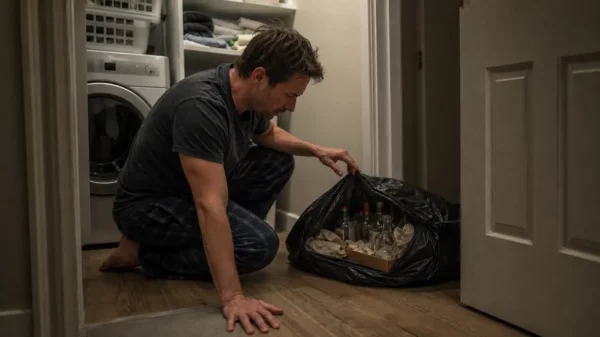
- Remove alcohol, drugs, money for a dose, delivery apps, dealer contacts or people who usually start the continuation.
- Message one person: “I need a night without continuing. Stay in contact with me.”
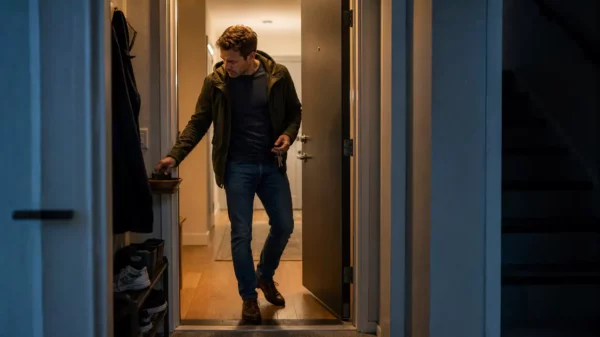
- Do not drive or go out alone if your body is unstable.
- Turn off conversations that pull you into shame or conflict.
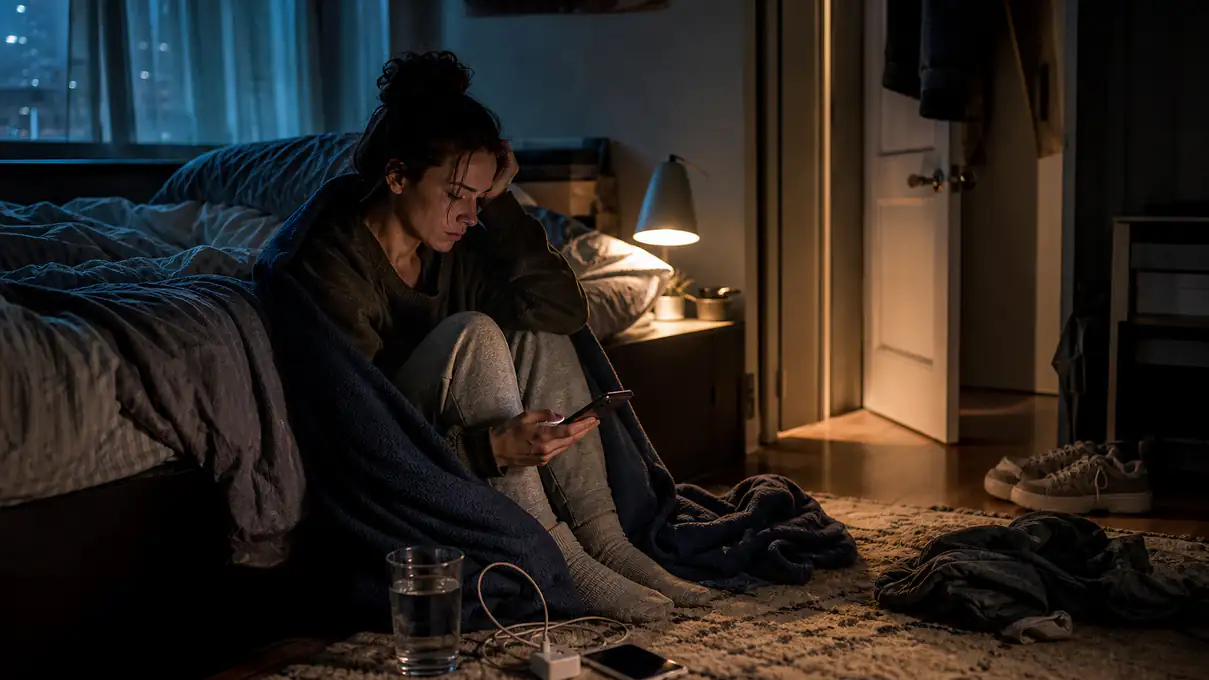
- Keep water, a charger, something warm and your phone nearby.
- If symptoms become dangerous, change the plan to urgent help.
If you cannot sleep
Insomnia on the first night is very common. The body may be overactivated, sleep is disrupted, and anxiety rises in waves. Do not turn sleep into another battle. Sometimes the task is not to fall asleep immediately, but to rest safely without adding substances or making sudden moves.
Do not take random sleeping pills, sedatives or anxiety medication, especially after alcohol or other substances. Mixing alcohol with medications can be dangerous. If sleep is impossible, symptoms are strong or withdrawal feels frightening, it is safer to discuss this with a doctor.
If craving hits
Night craving likes to sound logical: “You will not sleep without it”, “you can start again in the morning”, “one time will not change anything.” This is not the voice of the future. It is the voice of the cycle.
Make craving specific:
- Where is it in the body?
- What action is it proposing?
- What will happen in an hour if you agree?
- Who can you message before acting?
If craving is very strong, do not negotiate alone. Message a person, chat, group or support room if there are no medical red flags.
If shame takes over
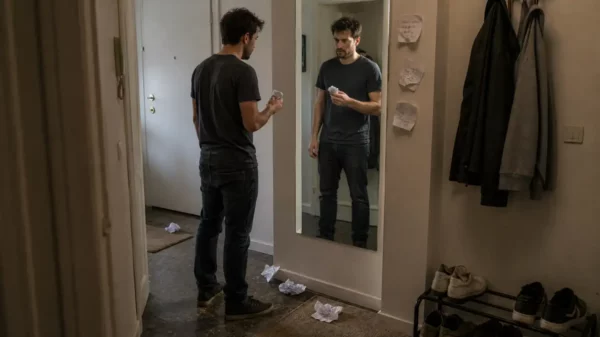
Shame gets louder at night because the world is quieter. It can push you to reread messages, remember faces, delete conversations, apologize to everyone at once or decide that you are hopeless.
Leave big conversations for daylight. Tonight, one safe message is enough: “I feel bad after relapse. I do not want to discuss all consequences now. I need not to continue and to reach morning.” That is enough.
If panic starts
Panic can bring shaking, a racing heart, air hunger, fear of death and a sense of losing control. NIMH describes these as possible panic symptoms. But after alcohol or substances, do not explain away chest pain, fainting, seizures, confusion, hallucinations or severe shortness of breath as just panic.
If there is no immediate danger, give the body a simple signal: you are not alone, you are sitting or lying safely, you are not adding substances, and you are not making life decisions at night. Sometimes that is already a lot.
What a loved one can do
A loved one does not need to run a nighttime interrogation. Safety is more useful than morality tonight:
- stay in contact or nearby;
- remove access to alcohol, substances and dangerous objects;
- avoid provoking a conflict;
- watch for red flags;
- help seek urgent care if the state becomes dangerous.
The conversation about consequences can happen later. The night is for stabilization.
What to do in the morning
The morning after the first night does not have to look beautiful. But it can become the next step: contact a professional, write to support, discuss medical risk, reduce access, make a first-week plan.
If there was severe withdrawal, thoughts of death, hallucinations, seizures, dangerous substance mixing or strong shaking overnight, do not erase it from memory. It is important information for a doctor and safety plan.
FAQ
What if I cannot sleep on the first night?
Do not turn sleep into a fight. Sit or lie down safely, do not add substances, do not take random medication, and ask someone to stay in contact. If severe withdrawal, seizures, confusion, hallucinations or self-harm risk appear, urgent help is needed.
Can I take a sleeping pill?
Do not take sleeping pills or sedatives without a doctor, especially after alcohol or other substances. Mixing can be dangerous. If insomnia and withdrawal are strong, it is safer to contact a doctor.
When should the first night not be managed at home?
If there are seizures, confusion, hallucinations, chest pain, severe shortness of breath, loss of consciousness, strong shaking, dehydration, psychosis, suicidal thoughts or self-harm risk, urgent help is needed.
How can OpenHalt help at night?
If there is no immediate life-threatening risk, OpenHalt can be a place to write anonymously, not stay alone and not continue using. With danger signs, medical or emergency help comes first.
OpenHalt
If there are seizures, confusion, hallucinations, severe shortness of breath, chest pain, loss of consciousness, severe withdrawal, suicidal thoughts or self-harm risk, urgent help comes first. OpenHalt does not replace emergency services.
If there is no immediate danger, you can write anonymously in OpenHalt: “I need to get through the first night and not continue.” In a psychologist-led room, you can later unpack why nights become dangerous, how to reduce access, whom to contact and what plan is needed for the first days.
In anonymous chats, you can write at night when sleep will not come, thoughts speed up, and being alone feels harder.
In OpenHalt rooms, psychologists and psychotherapists lead focused conversations, help make sense of patterns, and offer a safer next step.
Find specialist-led rooms on this topic
If you want one-to-one support, you can search for a specialist by topic, read their profile, and start with a clear first contact.
Read next
- Addiction recovery safety plan
- How to deal with anxiety
- Addiction recovery: relapse, motivation and family support
Sources
- NCBI Bookshelf: Alcohol Withdrawal Syndrome – supports the risk frame for severe alcohol withdrawal.
- NIAAA: Alcohol Use Disorder, From Risk to Diagnosis to Recovery – supports withdrawal and AUD symptom framing.
- NIAAA: Alcohol-Medication Interactions – supports warnings about mixing alcohol with medications.
- NIMH: Panic Disorder, When Fear Overwhelms – supports the description of panic symptoms.
- NIDA: Treatment and Recovery – supports treatment and recovery framing for addiction.