A series starts with the second step
One episode has already happened. That can feel painful, frightening and shameful. But a binge, a gambling run, nights in an app or return to substances usually becomes fixed through the second, third and fourth step.
The riskiest thought is simple: I already relapsed, so I might as well continue. Treat it as a risk signal, not as truth.
First check for acute danger
If there are signs of overdose, breathing problems, inability to wake, confusion, seizures, hallucinations, severe withdrawal, self-harm risk or thoughts of death, urgent help is needed. OpenHalt does not replace emergency services, medical care or crisis support.
If a binge has already lasted several days or withdrawal symptoms are present, do not try to heroically tough it out without medical assessment. After heavy use, abrupt withdrawal can be dangerous.
The main principle: make the next step inconvenient
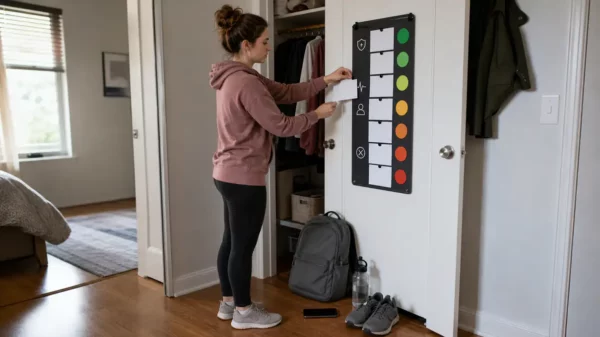
During relapse, the brain looks for the shortest route to continuation. A safety plan makes that route longer and harder.
- do not restock and do not go out to buy more;
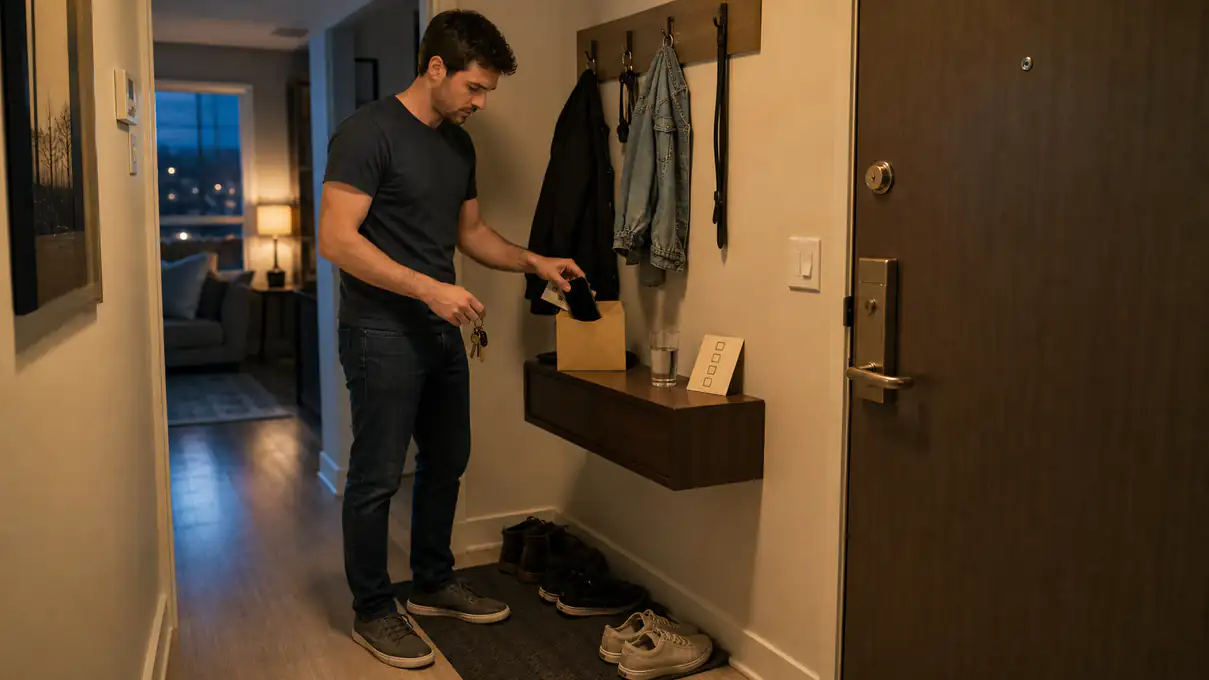
- give card, cash, keys or access to a trusted person;
- delete or block the app for one day;
- leave the place where relapse usually continues;
- do not message people who provide access;
- do not stay alone during dangerous hours.
The first 12-hour plan
- Name the risk: I may continue if I stay alone with access.
- Remove access physically: money, bottle, substance, phone, account or route.
- Make contact: person, chat, group, psychologist or support room.
- Close the nearest dangerous window: evening, night, ride home, payday, solo outing.
- Stabilize the body: water, food, sleep, shower, calm place.
- Postpone cause analysis until craving is not acute.
If it is alcohol
Do not drink more in order to make stopping easier. That often extends the binge. If there is severe shaking, confusion, seizures, hallucinations, major weakness, severe vomiting or overdose risk, medical help is needed.
If it is safe to stay home, the next-hour task is: do not buy more, do not drink for sleep, do not stay alone and do not drive.
If it is gambling, porn, gaming, shopping or social media
A series does not have to be chemical. It is also held together by access, isolation and the phrase one more time. Concrete actions help: app block, money limit, phone handoff, leaving the room, turning notifications off, messaging a person who knows the risk.
You do not need to debate craving until you win. Change the environment so the next click, bet or purchase becomes impossible at least for the night.
What to say to a loved one
Keep it short: I relapsed. The danger now is continuation. Help me remove access and not stay alone today.
You do not have to prove that you understand everything in the first minutes. The proof right now is one concrete safety action.
FAQ
How do I stop a relapse from becoming a binge?
Do not restock, do not stay alone, remove access, contact support and seek medical help if there are danger signs or severe withdrawal.
Why do I want to continue after relapse?
The thought it already does not matter, shame and the search for quick relief often appear together. This is a risk state, not an order to continue.
What should I do in the first 12 hours?
Check safety, remove access, leave the risky place, message support, stabilize the body and do not analyze causes under acute craving.
When do I need a doctor?
With severe withdrawal, seizures, confusion, hallucinations, overdose signs, breathing problems, severe vomiting or any threat to life.
OpenHalt
In OpenHalt you can write anonymously: I relapsed and I am afraid I will continue. In chat or a psychologist-led room, you can quickly build a first 12-hour plan: remove access, avoid being alone, close the dangerous evening and return to support.
If there are signs of overdose, severe withdrawal, seizures, confusion, hallucinations, suicidal thoughts or threat to life, seek urgent help first.
In anonymous chats, you can write about drinking, hangovers, cravings, shame after alcohol, and the first attempt to stop.
Open anonymous alcohol support chats
In OpenHalt rooms, psychologists and psychotherapists lead focused conversations, help make sense of patterns, and offer a safer next step.
Find specialist-led rooms on this topic
If you want one-to-one support, you can search for a specialist by topic, read their profile, and start with a clear first contact.
Read next
- Addiction recovery safety plan
- Addiction recovery: relapse, motivation and family support
- How to deal with anxiety
Sources
- NIAAA Alcohol Treatment Navigator: Understanding Relapse – supports relapse as a temporary setback and the role of stress triggers.
- NIAAA: Treatment for Alcohol Problems – supports recovery as an ongoing process and warning about dangerous withdrawal.
- NIAAA: Alcohol Overdose – supports urgent guidance around alcohol overdose signs.
- NIMH: Warning Signs of Suicide – supports urgent guidance around thoughts of death and self-harm.