Use is not the beginning, it is the final frame
Many people think relapse starts at the moment of using, betting, buying, watching or opening the app. Often, that is the final frame. A chain came before it.
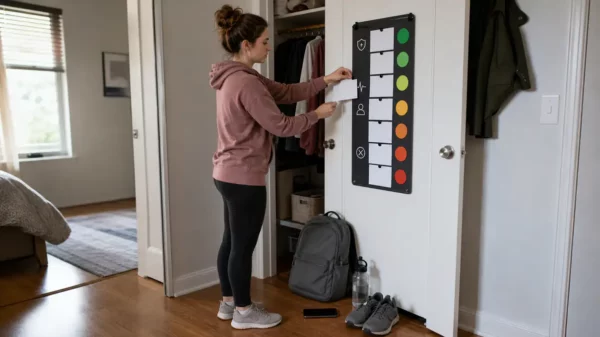
First the state changes. Then secrecy appears. Then access. Then a thought gives permission. Only after that comes the action.
Why the brain prepares relapse earlier
NIAAA describes an addiction cycle that includes preoccupation and anticipation: the person becomes occupied with thoughts of the substance or behavior in advance, especially under stress, negative emotion and cues. Cues are people, places, routes, objects, times of day and memories linked with past relief.
So relapse does not always look like sudden loss of control. Sometimes it is a quiet movement toward the old pattern: accidentally being nearby, just checking, only looking, keeping a backup just in case.
7 early signals
1. You stop talking about risk
When risk grows, silence often appears. The person does not message support, does not name craving and acts as if everything is fine.
2. You get exhausted and do not recover
Poor sleep, hunger, pain, anxiety and irritability reduce the ability to withstand urges. This is not an excuse. It is a signal to add care and support.
3. You change your route
The path starts passing near a place, person, shop, site, app or situation where continuation used to begin.
4. You keep access nearby
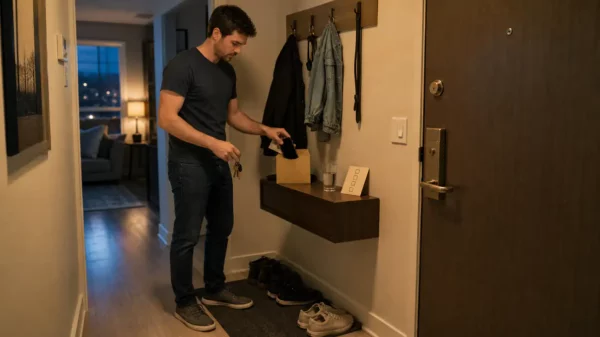
Money, card, phone, account, bottle, contact, login or old chat stays close just in case.
5. You start bargaining
The thoughts sound soft: only today, I deserve it, I held on long enough, this does not count, nobody will know.
6. You choose isolation
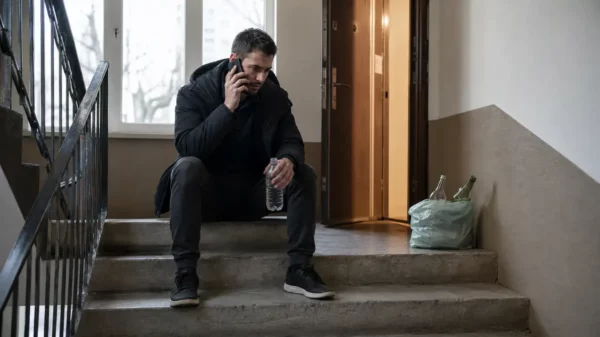
Isolation can feel like freedom. But if relapse repeats in isolation, it becomes part of the chain.
7. You postpone help
I will message tomorrow, I will go to chat later, first I will handle it myself. If craving is already present, tomorrow may be too late for this chain.
How to stop relapse before the action
It is easier to stop the process before the final step. The task is not endless inner debate. The task is to change conditions.
- say it clearly: this is already the beginning of the chain;
- remove access physically;
- change route or place;
- send one short message;
- do one body action: food, water, sleep, shower, walk;
- postpone the decision for at least 20 minutes.
If the chain has already reached the action
Then the goal changes: do not turn the episode into continuation. First safety, no access and contact. Cause analysis comes later, when craving and danger are not acute.
If there are signs of overdose, severe withdrawal, seizures, confusion, hallucinations, self-harm risk or thoughts of death, urgent help is needed. OpenHalt does not replace a doctor or emergency services.
FAQ
Why does relapse start before use?
Because a chain often appears before the action: stress, exhaustion, secrecy, access, route, isolation and a permission thought.
How do I know relapse has already started?
If you are hiding risk, moving closer to access, bargaining with yourself and postponing support, the chain may already be active.
What should I do at an early signal?
Name the risk, remove access, change place, message support and do one body action before the final step appears.
If I already used, is it too late to stop?
No. Then the goal is not to continue: check safety, remove access, leave isolation and reconnect with support.
OpenHalt
In OpenHalt you can write anonymously before the action happens: I am already in the chain, access is nearby. In chat or a psychologist-led room, you can name the early signal, remove access, change route and hold the next 20 minutes.
If there are signs of overdose, severe withdrawal, seizures, confusion, hallucinations, suicidal thoughts or threat to life, seek urgent help first.
In anonymous chats, you can write honestly about cravings, substance use, fear after using, and trying to stop without shame.
Open anonymous drug addiction chats
In OpenHalt rooms, psychologists and psychotherapists lead focused conversations, help make sense of patterns, and offer a safer next step.
Find specialist-led rooms on this topic
If you want one-to-one support, you can search for a specialist by topic, read their profile, and start with a clear first contact.
Read next
- How to deal with anxiety
- Addiction recovery safety plan
- Addiction recovery: relapse, motivation and family support
Sources
- NIAAA: Neuroscience, The Brain in Addiction and Recovery – supports the addiction cycle, cues, craving and preoccupation/anticipation frame.
- NIAAA Alcohol Treatment Navigator: Understanding Relapse – supports the role of stress, people and places as relapse triggers.
- NIDA: Drugs and the Brain – supports the neurobiology frame of memory, reward and self-control.
- NIMH: Warning Signs of Suicide – supports urgent guidance around thoughts of death and self-harm.