One episode does not mean everything is lost
After one episode, the mind may say: I relapsed, so I might as well continue. That is one of the riskiest thoughts. It turns one step into a chain.
Two facts can exist together. Yes, the episode happened. No, it does not require you to continue. The next hours can be where the chain stops.
Check safety first
If there is confusion, a person cannot wake up, breathing is difficult, seizures, severe vomiting, very cold or clammy skin, suspected overdose, mixed substances, severe withdrawal, hallucinations, self-harm risk or thoughts of death, urgent help is needed. OpenHalt does not replace emergency services, medical care or crisis support.
If opioids or an unknown substance may be involved and overdose is suspected, act urgently: call for help, use available naloxone if it is present and you understand the instructions, and do not leave the person alone.
The main task: do not continue
In the first hours, you do not need to prove that you have changed forever. You need to stop the episode from getting a continuation.
- do not buy, search, open the app or message the old contact;
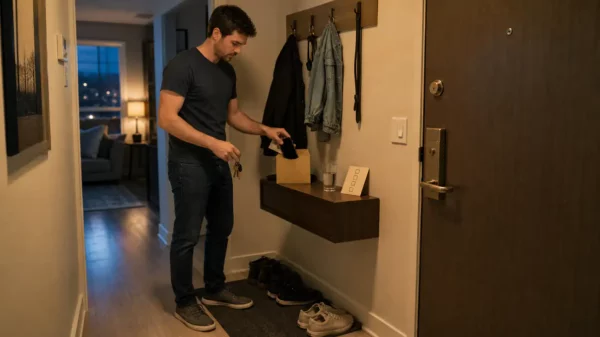
- remove money, card, keys, bottle, substance, phone or gambling access;
- do not stay alone where the relapse usually continues;
- do not drive or make risky decisions;
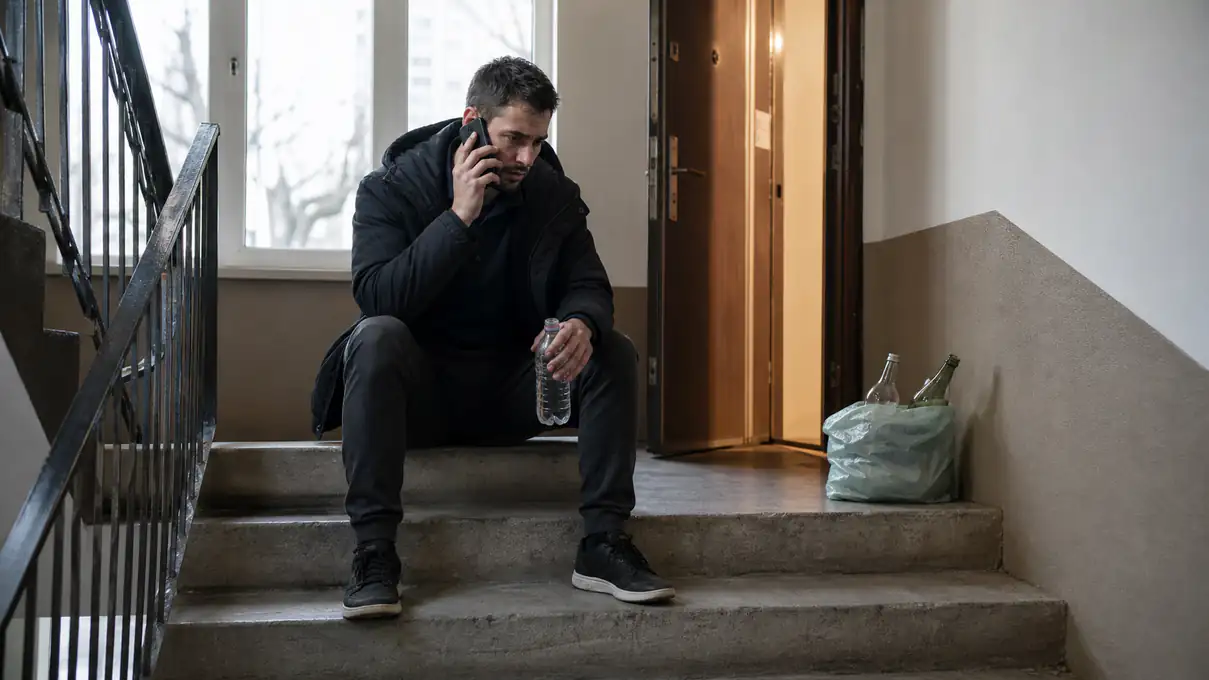
- tell one person briefly and honestly.
A short message is better than a perfect confession
Shame may tell you to stay silent until you find perfect words. Perfect words are not required. Contact is required.
You can write: One episode happened. I do not want to continue. There is risk. Stay with me for 20 minutes.
If messaging a loved one feels impossible, start with an anonymous chat. The point is to have someone connected before the thought it already does not matter gets stronger.
The first 3 hours
- Check for danger signs.
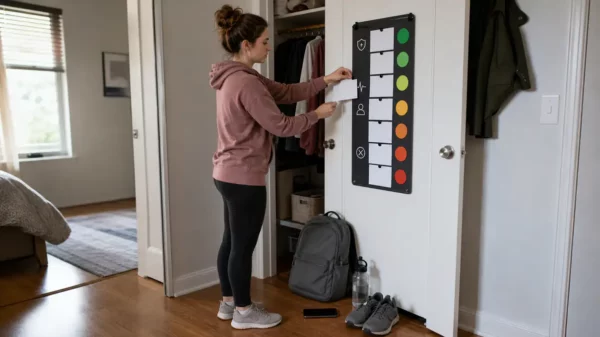
- Remove the nearest access.
- Drink water, eat something simple, sit or lie down in a safe place.
- Message support.
- Do not promise never again. The decision right now is: do not continue today.
The next 24 hours
The next day is for stabilization, not punishment. A minimum plan:
- sleep or rest without access nearby;
- simple food and water;
- one contact in the morning and one in the evening;
- cancel risky meetings and routes;
- write a short fact note: when it started, what came before it, where access appeared.
It is better to analyze causes when the body and nervous system have stabilized a little. In the acute phase, analysis often turns into self-destruction.
If loved ones found out
Do not try to rebuild trust in five minutes through dramatic promises. Say something concrete: The episode happened. I removed access. I am messaging support. Today I need to not continue.
Loved ones can be asked for safety help, not interrogation: hold keys, card or alcohol, stay nearby, help contact a specialist.
FAQ
Does one episode count as relapse?
It may be a relapse or a slip, but the label is less important than the response: do not continue, remove access and reconnect with support quickly.
What should I do immediately after one episode?
Check danger signs, remove access, avoid being alone in a risky place, send a short support message and get through the next hours.
Do I need to tell loved ones?
If there is risk of continuing, it is safer not to stay alone with the secret. You can say briefly: an episode happened, there is risk, I need help not continuing.
When is urgent help needed?
When overdose is suspected, breathing is affected, there are seizures, confusion, severe withdrawal, hallucinations, self-harm risk or thoughts of death.
OpenHalt
In OpenHalt you can write anonymously right after one episode: I do not want to continue, help me hold the next hours. In chat or a psychologist-led room, you can remove access, make a one-day plan and return to support without humiliation.
If there are signs of overdose, severe withdrawal, seizures, confusion, hallucinations, suicidal thoughts or threat to life, seek urgent help first.
In anonymous chats, you can write to people with similar experience about cravings, relapse, shame, fear, and trying to start again.
Open anonymous addiction chats
In OpenHalt rooms, psychologists and psychotherapists lead focused conversations, help make sense of patterns, and offer a safer next step.
Find specialist-led rooms on this topic
If you want one-to-one support, you can search for a specialist by topic, read their profile, and start with a clear first contact.
Read next
- Addiction recovery safety plan
- Addiction recovery: relapse, motivation and family support
- How to deal with anxiety