A safety plan is an instruction for a difficult moment
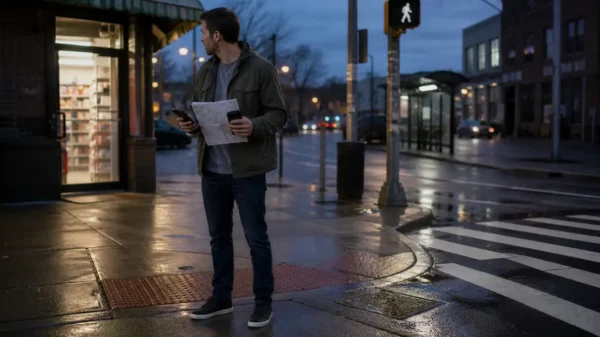
When craving is high, the brain does not read long moral lectures very well. It needs short prepared actions: who to message, what to remove, where not to go, what to do for the body and when urgent help is needed.
A personal safety plan does not prove that you are weak. It respects reality: when risk is high, thinking is harder, so good decisions should be written earlier.
When to make the plan
It is better to make the plan on a calmer day, not at the peak of craving, ideally after talking with a psychologist, group, doctor or support person. Then update it after every relapse, slip or near-relapse.
The plan should be short. If it cannot be read in one minute, it may not help in a crisis.
Block 1. Early signals
Write 5-7 signs that usually begin your chain:
- I stop answering people;
- I sleep less than 5 hours;
- I take the old route;
- I keep money or access nearby;
- I think one time does not count;
- I feel ashamed and want to hide;
- craving is above 6 out of 10.
Block 2. Risk scale
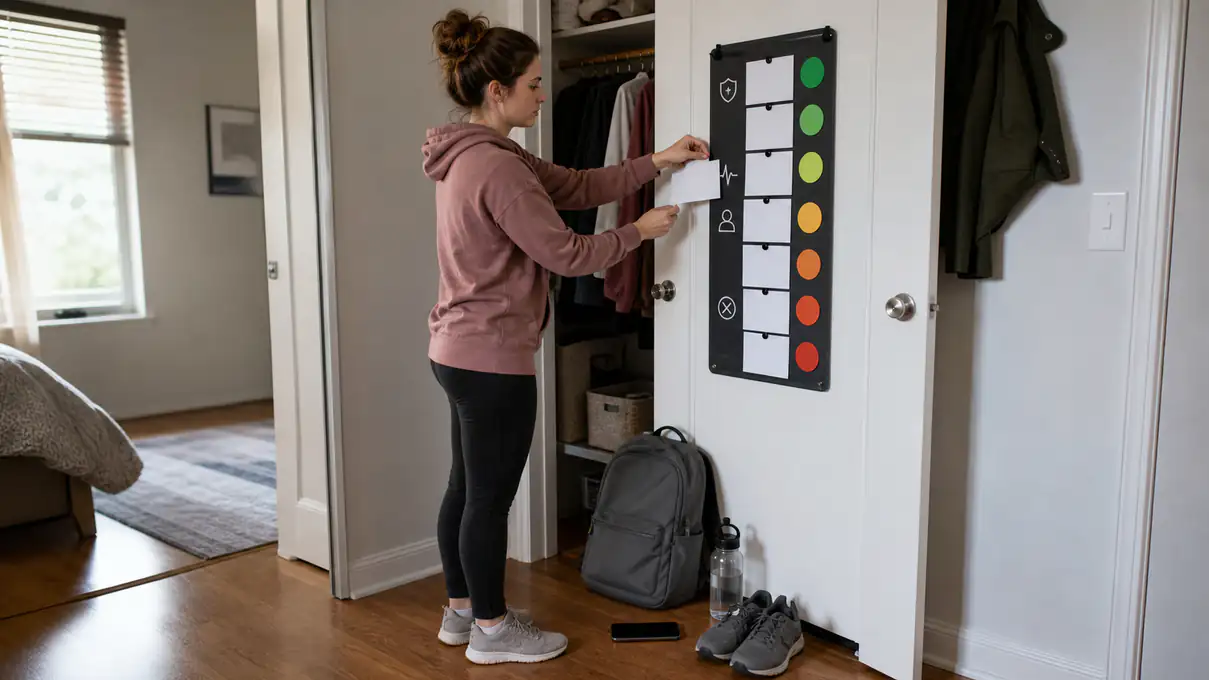
Split risk into three zones:
- 0-3: notice and care for the body;
- 4-6: message support, remove access, change place;
- 7-10: do not stay alone, involve a support person, chat or psychologist-led room, remove money/keys/phone, do not make decisions.
Write in advance what your 7 out of 10 actually means. For example: I am already checking the route, I am holding my card, I am thinking where to get it.
Block 3. Access to remove
A plan without access removal often stays a nice text. Write concretely:
- who can hold my card or cash;
- which apps need to be blocked;
- which contacts I do not open in the red zone;
- where I do not go alone;
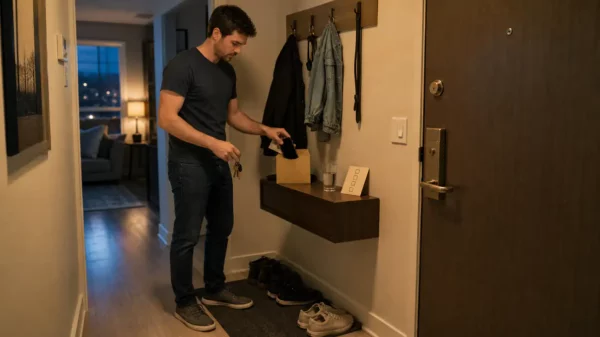
- what must disappear from home.
Block 4. People and messages
Shame likes long explanations and often leads to silence. Your plan needs ready short messages:
Craving 7. Access is close. Stay with me for 20 minutes.
I am in the red zone. I cannot stay alone.
An episode happened. I do not want to continue. Help me remove access.
Block 5. Body actions
The body will not solve the whole addiction, but it can lower intensity. Write 3-5 actions you can really do:
- drink water;
- eat simple food;
- take a shower;
- walk 10 minutes without a risky route;
- sleep with the phone away;
- breathe or stretch for 3 minutes.
Block 6. Safe places
Write where it is safer for you to ride out craving: a trusted person’s kitchen, library, daytime public place, walk without a risky route, online chat, support room. Do not write leave home in general. Write exactly where.
Block 7. Red zone
The red zone is the moment where a support plan is no longer enough and urgent help is needed. For many people this includes suicidal thoughts, self-harm risk, overdose, severe withdrawal, seizures, confusion, hallucinations, breathing problems or threat to life.
Your plan should include emergency numbers for your country, a crisis line, doctor, clinic or person who can help call for help. OpenHalt does not replace urgent medical care.
Block 8. What to do after an episode
Write a short order:
- check safety;
- do not continue;
- remove access;
- message a person or chat;
- sleep, water, food;
- review the chain later without self-destruction;
- update the plan.
FAQ
What is a personal safety plan?
It is a short instruction for craving or risk: early signals, danger scale, access removal, contacts, body actions and red-zone urgent help.
When should I create a safety plan?
Before crisis, while calm, ideally with a specialist or support person. In crisis, the plan is read, not invented from scratch.
What must be included in the plan?
Early signals, a 0-10 scale, what to remove, who to message, where to go, what to do for the body and when to seek urgent help.
How often should I update the plan?
After every relapse, near-relapse or new insight about triggers. The plan should match real life, not an ideal version of you.
OpenHalt
In OpenHalt you can anonymously build a personal safety plan: early signals, risk levels, access, support messages and red zone. In a psychologist-led room, the plan can become concrete: not hold on, but who I message, what I remove, where I go, what I do in the first 20 minutes.
If there are suicidal thoughts, self-harm risk, signs of overdose, severe withdrawal, seizures, confusion, hallucinations or threat to life, seek urgent help first.
In anonymous chats, you can write to people with similar experience about cravings, relapse, shame, fear, and trying to start again.
Open anonymous addiction chats
In OpenHalt rooms, psychologists and psychotherapists lead focused conversations, help make sense of patterns, and offer a safer next step.
Find specialist-led rooms on this topic
If you want one-to-one support, you can search for a specialist by topic, read their profile, and start with a clear first contact.
Read next
- Addiction recovery safety plan
- Addiction recovery: relapse, motivation and family support
- How to deal with anxiety
Sources
- NIAAA Alcohol Treatment Navigator: Understanding Relapse – supports the role of triggers, stress and adjusting the plan after relapse.
- NIDA: Treatment and Recovery – supports treatment, recovery and long-term support framing.
- WHO/UNODC: International Standards for the Treatment of Drug Use Disorders – supports evidence-based and ethical treatment systems.
- NIMH: 5 Action Steps – supports connection, safety and follow-up principles in crisis.