The day before relapse can look ordinary
Relapse rarely arrives holding a sign that says “danger.” Twenty-four hours before use, a person may work, answer messages, do ordinary tasks and even tell themselves everything is under control.
But if that day is reviewed later, it often becomes clear that protection had already started weakening. Sleep was worse, irritation was higher, support felt unnecessary, the old route was close again, money was accessible and thoughts became more concrete.
This map is not for self-punishment. It helps identify the moment where intervention is still possible.
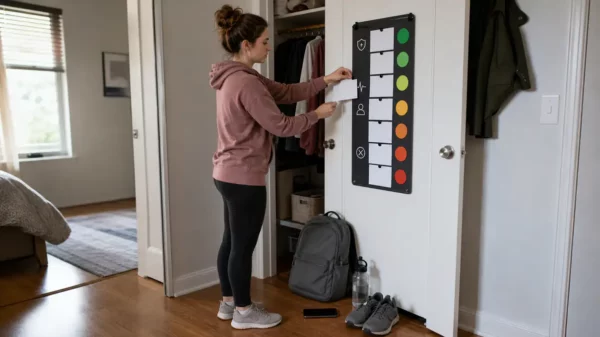
24-18 hours before: the base slips
Often the simple things break first: sleep, food, water, rhythm, connection. The person may be tired, hungry, angry, anxious or empty, but not treat this as a risk.
What to do: restore the base before arguing with craving. Eat, drink water, go to bed earlier, cancel one extra task, send a short support message: “I am at risk, I am watching myself.”
18-12 hours before: bargaining appears
Thoughts become softer toward the old script: “maybe I am fine now”, “one time does not count”, “I should test control”, “after this week, I can.” It may not feel like craving yet, but it already looks like permission being prepared.
What to do: do not debate every thought. Move the decision outside. Write: “I do not decide while bargaining”, remove access and contact someone who knows the context.
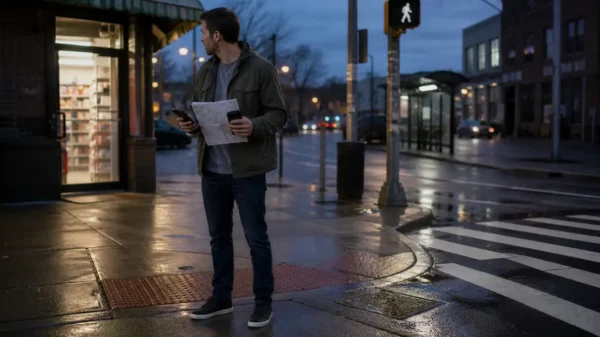
12-6 hours before: access gets closer
The person may check money, message an old contact, open an app, keep a route through a risky place, cancel a safe plan or tell loved ones not to wait. Sometimes it looks accidental, but the chain is already leading toward the possibility of use.
What to do: remove one physical access point. Not “be stronger”, but make relapse harder: block the app, change the route, give away money, delete the contact, leave the isolated place.
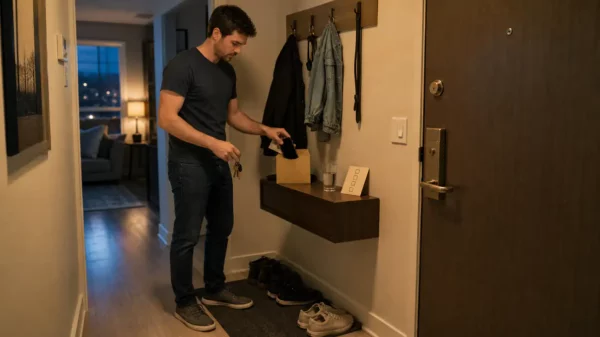
6-2 hours before: choice narrows
During this period, support may start feeling irritating. The person wants to be left alone. In the mind, there may already be an almost complete plan, but out loud it sounds like “I am just taking a walk”, “I need to be alone”, “I will be back soon.”
What to do: do not stay alone in the peak window. Move somewhere with less access, start a conversation, enter chat, ask someone to stay connected for 20 minutes.
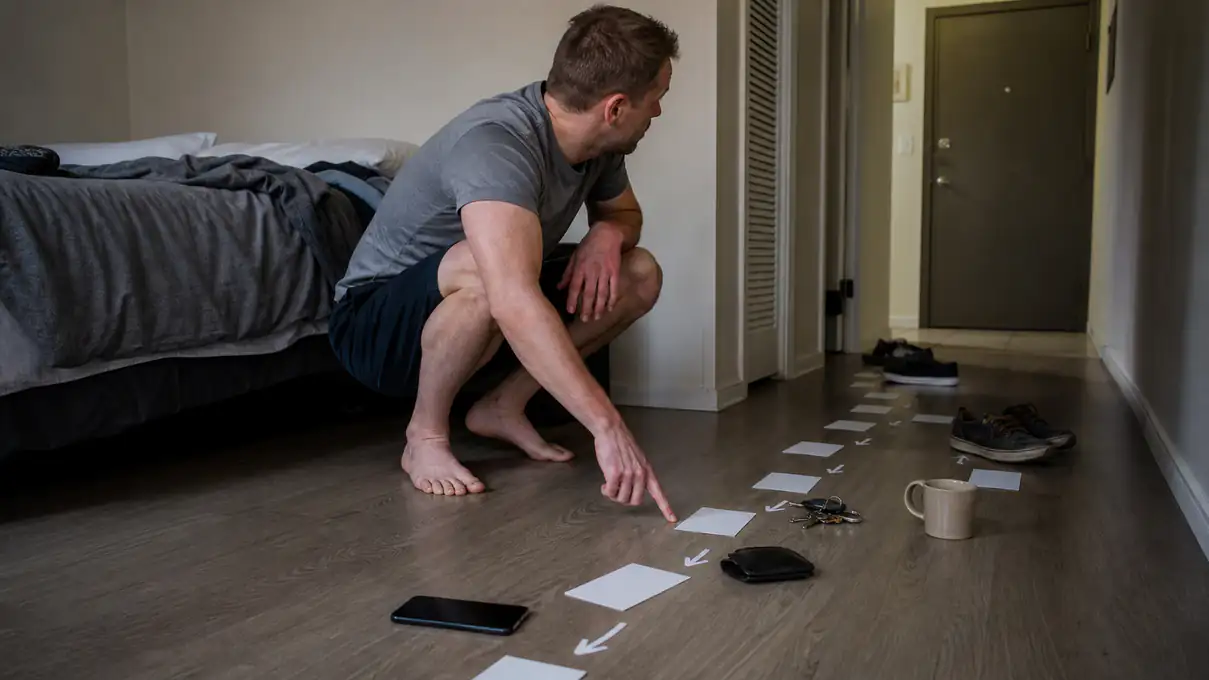
The last hour: it feels decided
Before physical relapse, a person may feel a strange relief: the fight seems over. This is dangerous because the decision is almost automatic.
What to do: use a pre-chosen action, not analysis. Call, leave the place, write “I am in the last hour”, delay action for 20 minutes, remove access with your hands, do not stay alone.
Why it matters to see the day, not only the minute
NIAAA describes how cues linked with use can trigger craving, especially with negative states. NIDA emphasizes the role of memory, reward and self-control in addiction. Relapse is often built from small steps, not one “bad decision.”
If you can see the day before relapse, you can change the chain, not your character: sleep, access, route, contact, support, the first 20 minutes.
Mini-plan for the next 24 hours
- name your current risk window: 24-18, 18-12, 12-6, 6-2 or the last hour;
- remove one access point right now;
- message one person briefly: “I need connection, there is risk”;
- eat, drink water, lie down or move to a safer place;
- do not solve forever, solve the next 20 minutes.
If there is severe withdrawal, seizures, confusion, hallucinations, suicidal thoughts, self-harm risk or threat to life, urgent help is needed.
FAQ
How do I know relapse may happen in the next 24 hours?
Look for a cluster of signals: disrupted sleep and food, rising shame or anxiety, bargaining, secrecy, returning access, old contacts and wanting to be alone.
Can relapse be stopped a few hours before use?
Yes, if you act physically: remove access, change location, contact support, avoid being alone and delay action for at least 20 minutes.
Why do I want to push help away before relapse?
Because help interrupts the old script. Irritation at support is often not proof that support is bad, but a risk signal.
What should I do in the last hour before relapse?
Do not analyze for long. Write or call immediately, change location, remove access with your hands and ask someone to stay connected for the next 20 minutes.
OpenHalt
OpenHalt can be a place to write before the final step. You can say anonymously: “I think I am in the last hours before relapse.” In chat or a psychologist-led room, you can quickly identify the risk window, remove access and choose an action for the next 20 minutes.
If there is severe withdrawal, seizures, confusion, hallucinations, suicidal thoughts, self-harm risk or threat to life, urgent help comes first.
In anonymous chats, you can write honestly about cravings, substance use, fear after using, and trying to stop without shame.
Open anonymous drug addiction chats
In OpenHalt rooms, psychologists and psychotherapists lead focused conversations, help make sense of patterns, and offer a safer next step.
Find specialist-led rooms on this topic
If you want one-to-one support, you can search for a specialist by topic, read their profile, and start with a clear first contact.
Read next
- Addiction recovery safety plan
- Addiction recovery: relapse, motivation and family support
- Addiction relapse abroad: why the risk is higher