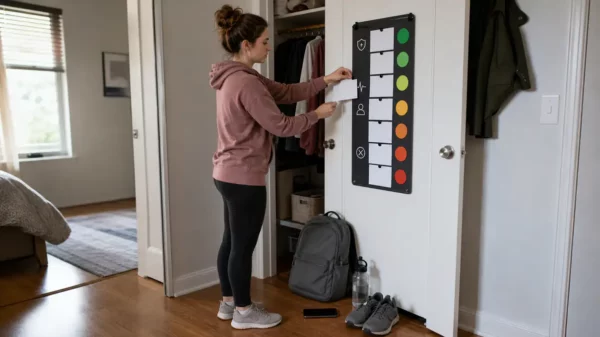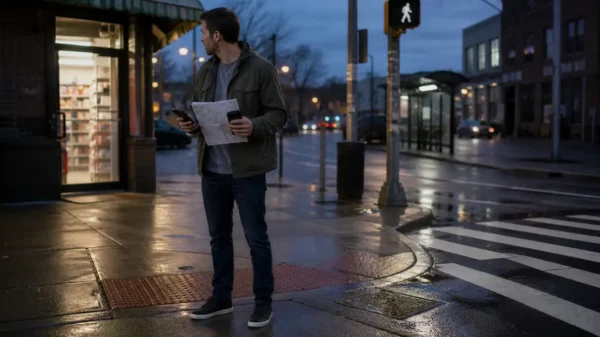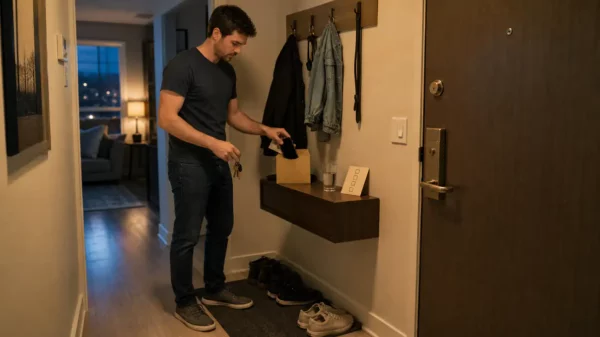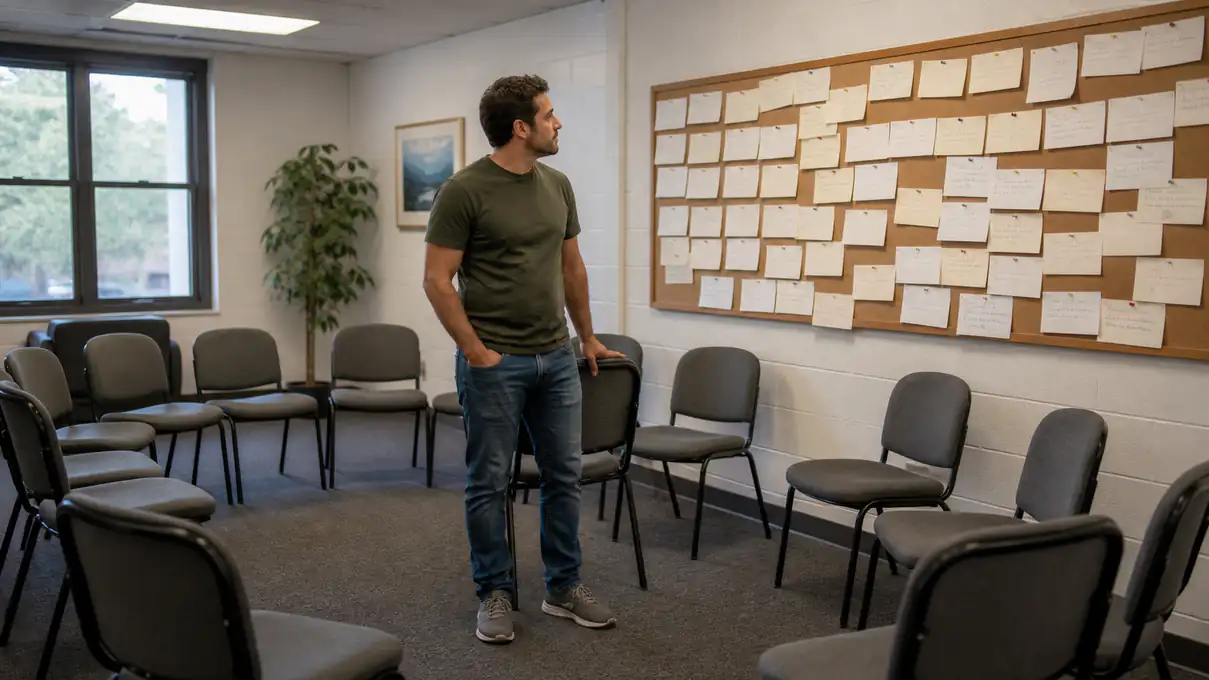
These are not real cases, but recognizable scenarios
The stories below are not specific people’s stories and not OpenHalt patient stories. They are composite scenarios built from common denial patterns: excuses, shifting limits, shame, outward functioning and fear of admitting a problem.
They are not here to diagnose anyone. They help reveal structure: how a person explains episodes, what they skip and when a first honest step becomes possible.
Scenario 1. “I only drink on Fridays”
The person does not drink every day. They work, reply to messages and handle tasks. So every week they say: “This is not addiction, I just relax on Fridays.”
But Friday often does not end as planned. Two drinks become a night until morning. Saturday is recovery. Sunday is anxiety and promises. On Monday, the thought returns: “This week will be different.”
What could help reveal the truth: looking not at the number of sober days, but at loss of control inside the episode and the cost of recovery afterward.
Scenario 2. “My work is just hard”
The person is successful, needed, always handling tasks. Alcohol, substances, betting, porn, shopping or gaming look like the only way to switch off.
The excuse sounds convincing: “If you worked like I do, you would understand.” But over time, the way of resting starts taking more energy than it gives back. Sleep gets worse, irritability grows, loved ones feel farther away and honest conversation becomes rarer.
What could help reveal the truth: separating real stress from the question of why the only way to cope has become a repeated risk.
Scenario 3. “I am in control, I just overdo it sometimes”
The person believes control exists because sometimes they really can stop. But in risky situations, the limit moves again. After starting, new rules appear: a little more, one more time, today is an exception.
The inner argument rests on successful episodes: “See, I can.” But an addictive cycle often hides not where it worked, but where it repeatedly did not.
What could help reveal the truth: checking control by repeated failures, not by rare successful stops.
Scenario 4. “I am not bothering anyone”
The person uses, gambles, watches or buys alone. From the outside: if nobody sees it, nobody suffers. But secrecy grows. Money disappears. Sleep breaks. Shame gets stronger. Relationships become thinner because loved ones only see an edited version.
Denial sounds like: “This is my private business.” Sometimes that is true. But when private business starts harming health, safety, money and trust, it is no longer neutral.
What could help reveal the truth: asking not “am I bothering anyone”, but “what am I already hiding and what price am I paying?”
Scenario 5. “I am ashamed, so I will handle it myself”
After every episode, the person hates themselves and promises shame will become fuel for change. But shame does not help ask for support, remove access or build a plan. It more often pushes into isolation, and isolation returns the person to the same way of finding relief.
What could help reveal the truth: understanding that shame is not a safety plan. A plan starts with facts, support and the next 24 hours.
What these scenarios have in common
- each episode is explained separately;
- repetition is not gathered into one cycle;
- successful days are used as proof of control;
- consequences are called coincidence, fatigue or someone else’s issue;
- help is delayed until the perfect moment.
NIAAA and NIDA describe signs that help people look not at self-blame, but at facts: loss of control, craving, continuing despite harm, unsuccessful attempts to cut down, risky situations and repetition of the cycle.
If you recognized yourself
You do not need to choose the scariest label immediately. Start with one honest sentence: “I see repetition.” Then choose one small step that lowers risk today: remove access, message one person, enter a chat, write down recent episodes, speak with a professional.
If there is severe withdrawal, seizures, confusion, hallucinations, suicidal thoughts, self-harm risk or threat to life, urgent help comes first.
FAQ
Are these real stories?
No. These are composite scenarios, not real cases of specific people. They show common forms of denial and self-deception.
Why do people deny the problem?
Denial often protects against shame, fear, losses and the need to change a familiar way of coping. But it can prevent the repeating cycle from being seen.
What should I do if I recognized myself in a scenario?
Start with facts: what repeats, what consequences already exist, what you hide and which one access point you can remove today. Then seek support.
Can someone move out of denial without pressure from loved ones?
Yes. Sometimes the first step is easier anonymously: in a chat, group or with a professional, where you do not have to defend yourself to family immediately.
OpenHalt
In OpenHalt, you can come not with a finished admission, but with the sentence: “I think I recognized myself in one scenario.” In an anonymous chat or psychologist-led room, you can look at what repeats, where denial protects and where it already harms safety.
If there is severe withdrawal, seizures, confusion, hallucinations, suicidal thoughts, self-harm risk or threat to life, urgent help comes first.
In anonymous chats, you can write to people with similar experience about cravings, relapse, shame, fear, and trying to start again.
Open anonymous addiction chats
In OpenHalt rooms, psychologists and psychotherapists lead focused conversations, help make sense of patterns, and offer a safer next step.
Find specialist-led rooms on this topic
If you want one-to-one support, you can search for a specialist by topic, read their profile, and start with a clear first contact.
Read next
- Alcohol addiction defense mechanisms
- Addiction recovery safety plan
- Addiction recovery: relapse, motivation and family support