Relapse often starts earlier than it seems
After relapse, a person may say: “It happened suddenly.” Sometimes craving really does hit sharply. But when the last day or week is reviewed, relapse often started gathering earlier.
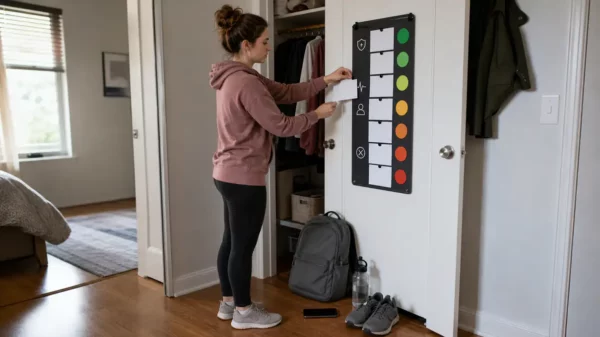
First mood changes. Then thoughts appear. Then the person moves away from support, leaves access in place, starts bargaining, hides details, gets irritated by questions. Only after that comes use or return to the behavior.
If this process is seen earlier, there is room for action.
Four layers before relapse
1. Emotional layer
Anxiety, anger, resentment, shame, exhaustion, emptiness, loneliness, boredom, a feeling of “I do not care.” The person may not yet be thinking directly about use, but the state that used to be numbed by the addictive behavior is already growing.
2. Mental layer
Thoughts appear: “one time is fine”, “I am fine now”, “I earned it”, “others are worse”, “nothing will happen”, “I should test control.” Sometimes there are images of future use or nostalgia for the “good parts” without honest memory of consequences.
3. Behavioral layer
The person skips meetings, does not answer supportive people, sleeps worse, eats worse, cancels plans, returns old contacts, checks money, looks at places, sites or apps. They may say everything is fine, but actions are already moving toward access.
4. External layer
People, places, money, free time, conflict, travel, celebration, payday, an evening alone appear nearby. External cues can strengthen craving, especially if exhaustion or tension is already inside.
Why this is not just “overthinking”
NIAAA describes how cues linked with alcohol, especially together with negative states, can trigger craving. NIDA describes addiction as involving memory, motivation, reward and self-control in the repetition of the cycle.
This does not remove responsibility, but it changes the work: the task is not only to “be stronger”, but to notice early signals, remove access and activate support before physical relapse.
Early signs people often miss
- sleep gets worse or the day structure collapses;
- support starts feeling irritating;
- the person hides mood or plans;
- old contacts, routes or apps return;
- thoughts about relapse become more frequent and detailed;
- the feeling “I can handle this alone now” appears;
- simple safety actions disappear;
- shame or anxiety becomes too strong.
What to do at the early stage
If you notice 2-3 signals, do not wait for “real craving.” Take actions that reduce risk physically:
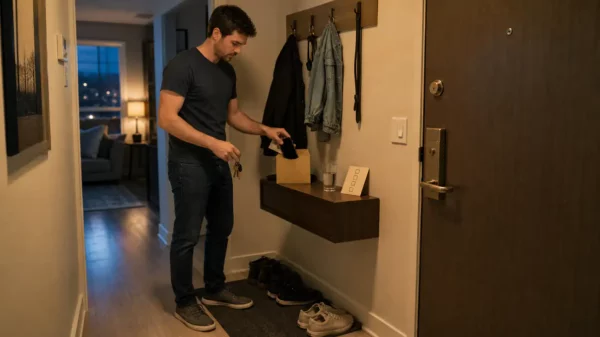
- remove access for the next 24 hours;
- message one person: “I see relapse risk”;
- eat, drink water, restore sleep or at least lie down somewhere safe;
- do not stay alone during peak hours;
- cancel the risky route, contact or meeting;
- enter a chat or support room before bargaining starts.
If you are a loved one
Do not look only at use itself. Earlier signs can include withdrawal, irritation, disappearing contact, old contacts, insomnia, dismissing help, sentences like “I can do it myself” and “leave me alone.”
Speak briefly and without threats: “I see the risk growing. Let us remove access and find support today.” If there is threat to life, severe withdrawal, seizures, confusion, hallucinations, suicidal thoughts or self-harm risk, urgent help is needed.
FAQ
What usually happens before relapse?
Emotions, thoughts, behavior and access often change: anxiety or shame rises, excuses appear, the person moves away from support and closer to the old script.
Can relapse be stopped before use?
Yes, if early signs are noticed and risk is reduced quickly: remove access, contact support, avoid being alone and restore basic needs.
Why does relapse feel sudden?
Because the person notices only the final moment. But many signals appear earlier: sleep, irritation, secrecy, bargaining, old contacts and thoughts about returning.
What should I do if the signs are already here?
Do not argue with yourself. Remove access immediately, message a safe person or chat, change location and choose a plan for the next 24 hours.
OpenHalt
OpenHalt can help you see relapse before it becomes a physical episode. You can write anonymously: “I see early signs.” In chat or a psychologist-led room, you can review emotions, thoughts, access, contacts and a plan for the next 24 hours.
If there is severe withdrawal, seizures, confusion, hallucinations, suicidal thoughts, self-harm risk or threat to life, urgent help comes first.
In anonymous chats, you can talk with people who also know cravings, relapse, early recovery days, and the slow return to stability.
In OpenHalt rooms, psychologists and psychotherapists lead focused conversations, help make sense of patterns, and offer a safer next step.
Find specialist-led rooms on this topic
If you want one-to-one support, you can search for a specialist by topic, read their profile, and start with a clear first contact.
Read next
- Addiction recovery safety plan
- Addiction recovery: relapse, motivation and family support
- Addiction relapse abroad: why the risk is higher