Monday feels like a beginning, but the risk is often Friday
On Monday, things can look clear. After relapse, a binge, betting, use or a night of behavior, there is shame, anxiety, exhaustion, an empty wallet, broken plans. It is easy to say: “That is it, never again.”
But Monday resolve comes after consequences. The real risk often comes on Friday, when consequences have faded, the week has built exhaustion, free time is ahead, money is available, company calls and something inside says: “I earned it.”
Why Monday can mislead
Monday creates a feeling of control. The person feels disgust about what happened and thinks that feeling will be enough for the future. But shame and fear do not work well as a long-term plan. They are strong while pain is fresh. By Friday, the emotion often turns into bargaining.
So the question is not whether Monday’s promise was sincere. It probably was. The question is what protects you on Friday, when sincerity is no longer enough.
Why Friday strengthens craving
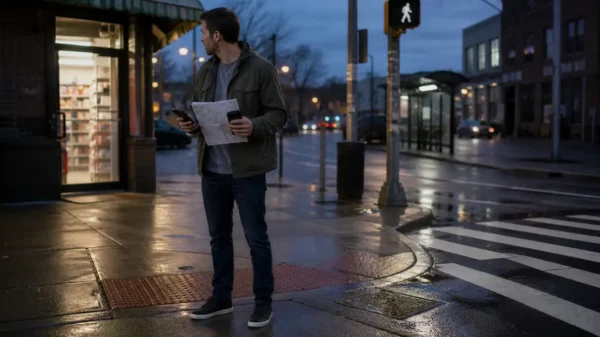
NIAAA describes how cues linked with alcohol can trigger craving, especially when combined with negative emotional or physical states. Friday often gathers several cues at once: the end of work, the route home, payday, familiar place, a message from someone, an evening alone, music, store, app.
NIDA describes how addiction involves the brain remembering not only the substance or behavior, but also the context. Friday can switch craving on before the first decision.
Five reasons Friday is more dangerous
1. Exhaustion lowers caution
After the workweek, there is less energy to argue with craving. The person wants fast relief, not a long analysis.
2. Reward sounds convincing
“I earned it” can sound like self-care. But real care does not end in Sunday panic and another promise.
3. Access is closer
Money, store, app, contacts, free time. If access is not removed in advance, Friday turns craving into action faster.
4. Social pressure gets stronger
Invitations, company, bars, bets, parties, messages. Even one contact can return a person to the old script.
5. Monday pain has already faded
The brain remembers relief more vividly than consequences. By Friday, relapse can start looking less frightening, especially when bargaining begins.
How to move protection to Friday
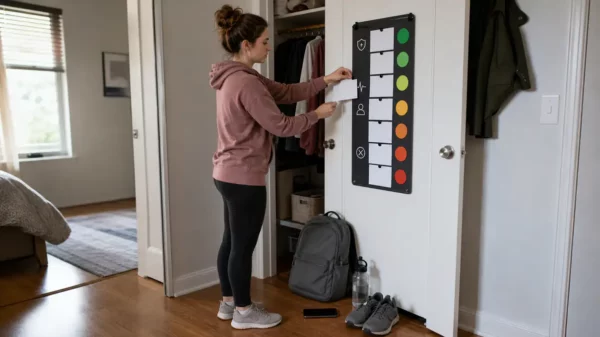
- make the Friday plan on Thursday, while craving is lower;
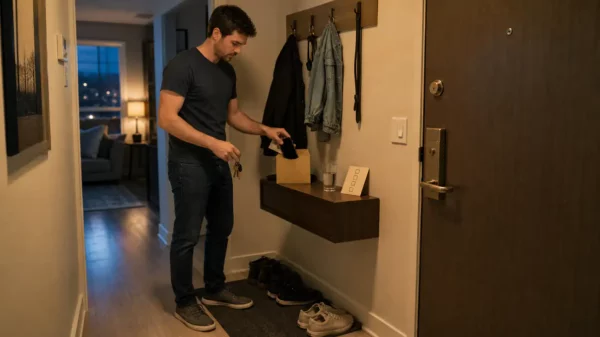
- remove the main access point before the workday ends;
- keep less free money in the risk zone;
- answer risky invitations in advance;
- arrange a short message with a support person;
- prepare a calm activity for the first 2 hours after work;
- write one phrase for bargaining: “I do not decide while craving.”
If Friday has already started
Do not try to win the evening with willpower alone. Reduce risk physically: leave the risky route, remove money, block the app, message someone, move to a place where continuing the script is harder, eat, drink water, occupy the first 20 minutes.
If there is severe withdrawal, prolonged heavy use, suicidal thoughts, self-harm risk, seizures, confusion or hallucinations, urgent help is needed.
FAQ
Why is Friday more dangerous than Monday?
On Monday consequences are fresh and promises are easier. On Friday, exhaustion, access, free time, money, company and a feeling of earned reward appear.
Why does a Monday promise not help?
It may be sincere, but by Friday shame fades while cues and craving grow stronger. A promise without an access and support plan often cannot hold.
What should I do on Thursday?
Make a Friday plan, remove the main access point, arrange contact, prepare the first 2 hours after work and decline risky invitations in advance.
What if Friday craving has already started?
Do not argue with it alone. Remove access, change place, contact support, eat, drink water and fill the first 20 minutes with a safe action.
OpenHalt
OpenHalt can help you move protection from Monday to Friday. You can write anonymously: “I promise on Monday, but lose control on Friday.” In chat or a psychologist-led room, you can build a concrete plan for the evening, access, money, contacts and the first minutes of craving.
If there is severe withdrawal, seizures, confusion, hallucinations, suicidal thoughts, self-harm risk or threat to life, urgent help comes first.
In anonymous chats, you can write to people with similar experience about cravings, relapse, shame, fear, and trying to start again.
Open anonymous addiction chats
In OpenHalt rooms, psychologists and psychotherapists lead focused conversations, help make sense of patterns, and offer a safer next step.
Find specialist-led rooms on this topic
If you want one-to-one support, you can search for a specialist by topic, read their profile, and start with a clear first contact.
Read next
- Addiction recovery safety plan
- Addiction recovery: relapse, motivation and family support
- How to deal with anxiety