A promise can be sincere and still fail
After relapse, people often tell themselves: “That is it, never again.” This can be completely sincere. In that moment, shame, anxiety, exhaustion and fear are so strong that it feels certain: I will remember how bad this feels and I will not repeat it.
The problem is that the next risk usually happens in another state. It comes later: when pain has faded, access is close again, the person is tired, lonely, angry, has money, meets old contacts or decides that “now I am fine.”
The promise is made in one state and tested in another. That is why it often does not hold.
Why the brain does not obey a vow
NIAAA describes how cues linked with use can trigger craving, especially during negative states. NIDA emphasizes that addiction involves motivation, memory, reward and self-control. Risk is activated not only by a decision, but also by context.
A vow does not remove the route, app, contact, money, bottle, company, lonely evening or habit of switching off one familiar way. It can give hope, but it does not provide protection.
What a promise usually hides
1. No access plan
The person promises to stop, but leaves access unchanged. Then craving only has to wait for a convenient moment.
2. No emotion plan
If alcohol, substances, betting, porn, shopping or gaming were ways to cope with anxiety, shame, emptiness or anger, the first minutes need an alternative prepared in advance.
3. No connection to support
A promise made alone is easy to break alone. Support does not guarantee perfection, but it lowers the risk of continuation.
4. No review of the last episode
If you do not review what happened in the day before relapse, the next relapse may arrive by the same route.
5. Shame is mistaken for motivation
Shame can create a strong flash of resolve, but it often pushes people to hide, lie and avoid asking for help.
What to use instead of “never again”
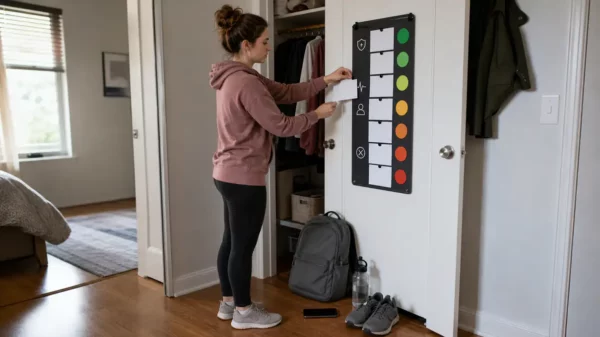
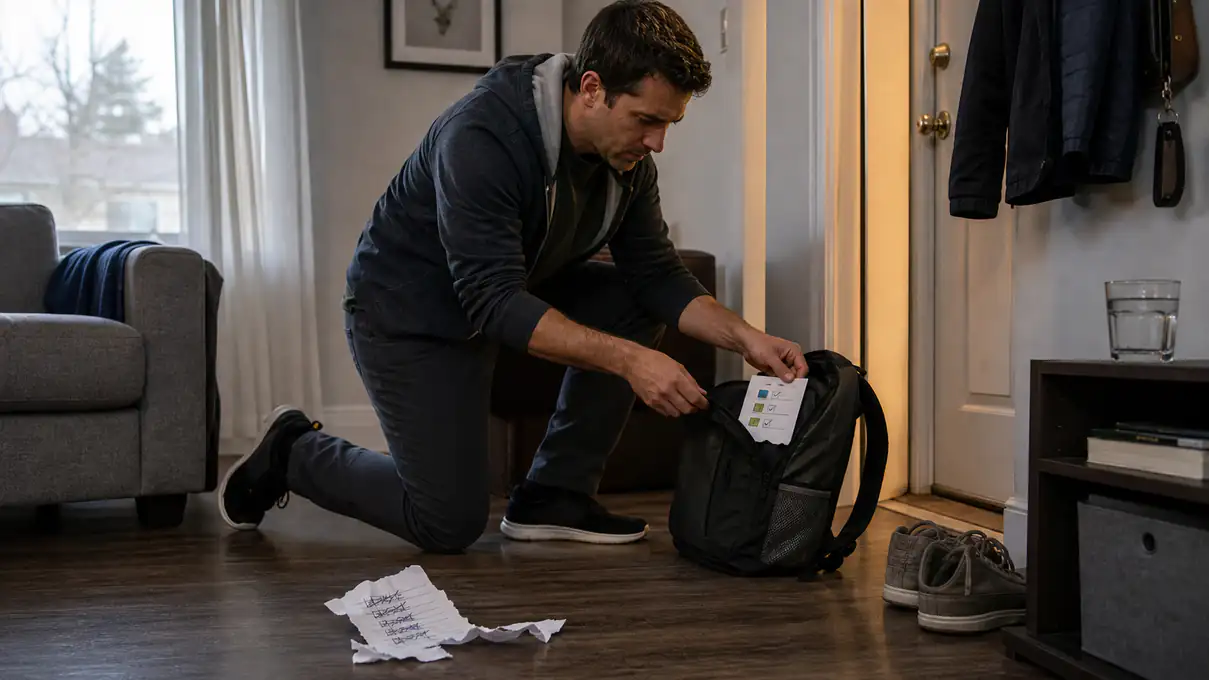
Better than a forever promise is a concrete plan for the near future:
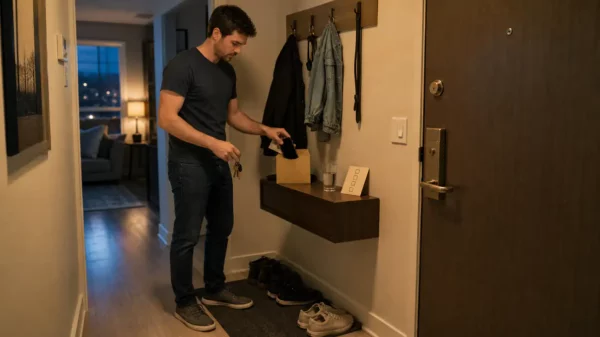
- what I remove from access today;
- who I message if craving rises above 6 out of 10;
- what I do in the first 20 minutes of craving;
- which places, people or apps I avoid for the next 72 hours;
- how I restore sleep, food, water and basic safety;
- when I discuss this with a professional or group.
A working promise formula
Instead of “never again”, try a more precise sentence:
“For the next 24 hours, I will not stay alone with craving, I will remove access and I will contact support before bargaining starts.”
It sounds less heroic. But it can be done. Recovery is often helped not by huge vows, but by small actions done on time.
If the promise has already been broken
Do not use the broken promise as proof that everything is useless. NIAAA Alcohol Treatment Navigator describes relapse as a signal to review the plan, not as the end of help. The question is not “what is wrong with me”, but “which part of the system was missing?”
If there is severe withdrawal, seizures, confusion, hallucinations, suicidal thoughts, self-harm risk or threat to life, urgent help comes first.
FAQ
Why do my promises to myself not work?
Because a promise is often made in shame and tested later, when craving, access, triggers, exhaustion and the old script are nearby.
Does that mean I was not sincere?
Not necessarily. A promise can be sincere, but without an access plan, support and first actions, it remains too weak as protection.
What should I say instead of “never again”?
Choose a concrete sentence for the next 24 hours: what to remove, who to message, what to do in the first 20 minutes of craving and where not to stay alone.
What should I do after breaking a promise?
Stop continuation, remove access, contact support and review which element of the plan was missing, without self-destruction.
OpenHalt
OpenHalt can help you replace “I ruined everything again” with a concrete plan. You can write anonymously: “I broke a promise to myself again.” In chat or a psychologist-led room, you can see where the promise had no protection and build a plan for the next 24 hours.
If there is severe withdrawal, seizures, confusion, hallucinations, suicidal thoughts, self-harm risk or threat to life, urgent help comes first.
In anonymous chats, you can write to people with similar experience about cravings, relapse, shame, fear, and trying to start again.
Open anonymous addiction chats
In OpenHalt rooms, psychologists and psychotherapists lead focused conversations, help make sense of patterns, and offer a safer next step.
Find specialist-led rooms on this topic
If you want one-to-one support, you can search for a specialist by topic, read their profile, and start with a clear first contact.
Read next
- Addiction recovery safety plan
- Addiction recovery: relapse, motivation and family support
- How to deal with anxiety