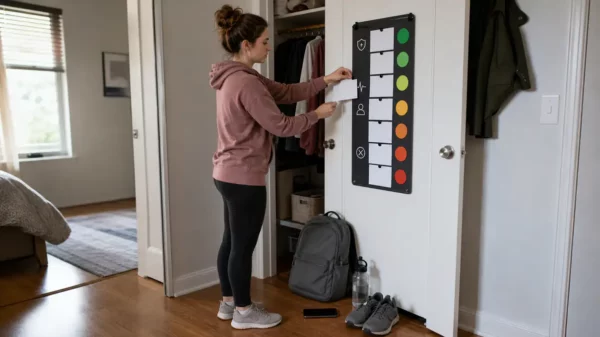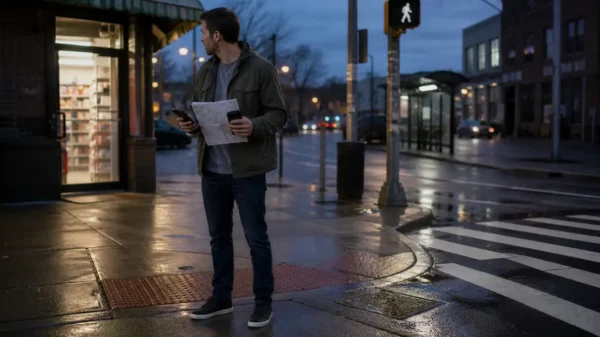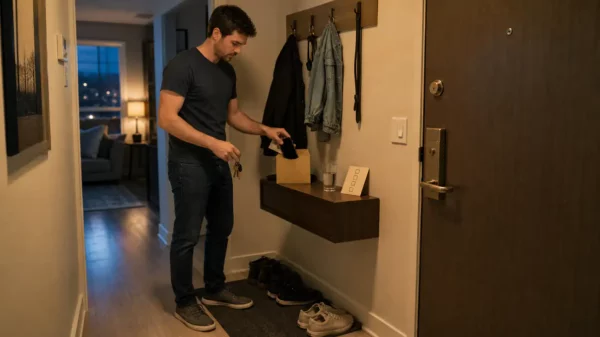
Weekends can become a trigger, not rest
Many people genuinely hold on through the week. Work, tasks, family, schedule, obligations. It feels like control is there. Then Friday or Saturday arrives, and the script repeats: “just a little”, “I earned it”, “I need to switch off”, “after this week, I can.” A few hours or days later there is shame, anxiety, broken plans and a promise that next weekend will be different.
If this repeats, it is not only about willpower. Weekends themselves may become a trigger: rhythm changes, structure drops, access appears, familiar places, people, money, loneliness or exhaustion switch on.
Why the brain waits for Friday
NIAAA describes how cues linked with alcohol, especially when combined with negative states, can trigger craving. NIDA describes addiction as a process in which the brain remembers reward, context and fast ways to change state.
So Friday can become not just a day of the week, but a signal: now I can release pressure. Even if a person barely thought about use all week, by evening the body and brain may already be waiting for familiar relief.
What usually starts a weekend relapse
1. Built-up exhaustion
The week was lived on effort. By the weekend, the person does not rest, but crashes. In that state, the fastest off-switch becomes tempting.
2. Empty time
Weekday structure holds things together. On the weekend there is space where anxiety, boredom, loneliness or emptiness can become louder.
3. Access
Money, store, app, contacts, company, route, an empty apartment. Relapse becomes more likely when access has not been removed in advance.
4. The reward ritual
“I earned it” sounds especially convincing after a hard week. But a reward that turns Sunday into shame and fear no longer looks like rest.
5. Sunday shame
After relapse, shame appears, and shame can start a new circle: hide, promise, avoid asking for help, wait for Friday again.
Relapse starts before use
If you look only at the moment of use, it seems sudden. But often relapse starts a day or more earlier: support is cancelled, the thought “I am fine now” appears, a contact returns, money remains accessible, irritability rises, sleep gets worse, images of future use appear in the mind.
This is not a reason to attack yourself. It is a reason to move attention earlier: not “why did I relapse”, but “which sign appeared before relapse and what can I do sooner next time?”
A plan for next weekend
- map Friday from 4 pm to sleep, especially the first hours after work;
- remove one main access point before Friday, not during craving;
- arrange a short check-in with one safe person;
- do not leave the evening empty, but do not overload it either;
- write what you will do in the first 20 minutes of craving;
- prepare a safe Saturday morning plan.
If there is severe alcohol withdrawal, prolonged heavy use, seizures, confusion, hallucinations, suicidal thoughts or self-harm risk, the weekend plan should begin with urgent medical help.
If relapse has already happened
Do not turn one episode into a series. The first tasks are: stop continuation, remove access, avoid being alone, restore water, food and sleep, contact support and name what happened honestly without self-destruction.
NIAAA Alcohol Treatment Navigator notes that relapse does not mean treatment has failed. It signals that the support plan needs to be reviewed. The point is not to punish yourself, but to strengthen the system before next Friday.
FAQ
Why do I relapse on weekends specifically?
Because weekends often combine exhaustion, free time, access, money, a familiar reward ritual, loneliness or company connected with use.
Does this mean I have no willpower?
No. Repeated relapse more often points to an unprotected script: the triggers are known, but access and support are not prepared in advance.
What should I do before Friday?
Remove the main access point, map the first evening hours, arrange contact with a safe person and prepare an action for the first 20 minutes of craving.
What should I do if I have already relapsed?
First stop continuation: remove access, do not stay alone, restore basic needs and contact support. Then review the relapse without self-destruction.
OpenHalt
OpenHalt can help you understand weekend relapse not as “I am weak again”, but as a repeating script. You can write anonymously: “I relapse every weekend.” In chat or a psychologist-led room, you can build a Friday plan, remove access and arrange support before craving hits.
If there is severe withdrawal, seizures, confusion, hallucinations, suicidal thoughts, self-harm risk or threat to life, urgent help comes first.
In anonymous chats, you can talk with people who also know cravings, relapse, early recovery days, and the slow return to stability.
In OpenHalt rooms, psychologists and psychotherapists lead focused conversations, help make sense of patterns, and offer a safer next step.
Find specialist-led rooms on this topic
If you want one-to-one support, you can search for a specialist by topic, read their profile, and start with a clear first contact.
Read next
- Addiction recovery safety plan
- Addiction recovery: relapse, motivation and family support
- Addiction relapse abroad: why the risk is higher