When someone else becomes more important than you
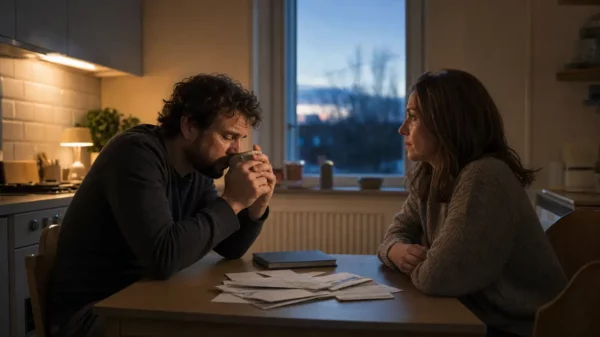
In this OpenHalt conversation, psychologist and Gestalt therapist Violetta Nikitik describes codependency in a simple way: another person, their mood, work, attention, or emotional state becomes more important than your own life.
Your wellbeing starts to depend on whether they choose you, notice you, calm you down, or make you feel valuable. The center of gravity moves away from you and into someone else.
That can look like love from the inside. But if a relationship makes you disappear, it is not safe to ignore.
Where self-erasure begins
Violetta does not limit codependency to families affected by substance use. She talks about emotional neglect, authoritarian parents, distant parents, children who become caretakers, and cultural scripts passed through generations.
A child learns who they are through the people closest to them. Am I valuable? Do my feelings matter? Am I loved because I exist, or only when I serve, perform, obey, or take care of someone else?
When a child repeatedly learns that someone else’s needs matter more, codependency can become familiar long before adult relationships begin.
Grooming: trust, status, and teenage vulnerability
Grooming is the process of building trust with a child, teen, or vulnerable person in order to exploit them. It is not romance. It is a power imbalance.
Teenagers need belonging, recognition, and the feeling of being seen. When an older, famous, powerful, or high-status person offers attention, it may feel like being chosen.
That is why responsibility does not belong to the teen. Adults are responsible for boundaries, power, age difference, and their own behavior.
If an adult notices sexual attraction toward children or teens, they need specialized help before any harm is done. Past trauma does not give anyone permission to harm another person.
Emotional abuse: look at your state, not only their actions
Emotional abuse can be hard to name because there may be no bruises. “They never hit me” can keep someone silent for years.
Violetta suggests paying attention to your state after contact:
- you feel ashamed, lonely, confused, or worthless;
- you get sick more often;
- your eating changes: overeating, not eating, disordered patterns;
- you stop caring for yourself;
- you lose contact with friends;
- your interests shrink;
- you feel afraid or ashamed to tell anyone what is happening.
More obvious red flags include controlling money, isolating you from friends or family, threats, humiliation, sexual coercion, monitoring, locking you in, and constant devaluation.
Be careful not to blame the victim
Therapy can help someone explore why a harmful relationship felt familiar, why they stayed, what old wounds were activated, and how to recognize danger sooner.
But that is not the same as saying the survivor caused the abuse.
Responsibility for coercion, control, humiliation, violence, sexual pressure, and exploitation belongs to the person doing it.
Silence does not mean nothing happened. Shame and silence are often part of trauma.
What can help
- Write down what happened and how you felt afterward.
- Do not dismiss emotional abuse because there are no bruises.
- Talk to a safe person, therapist, hotline, or crisis service.
- If leaving could increase danger, do not tell the abusive person your plan.
- Create a safety plan: documents, money, medication, a place to go, someone to call.
- If a child or teen is involved, bring in safe adults and protection services.
- If there is immediate danger, violence, sexual coercion, stalking, suicidal thoughts, or risk to a child, seek emergency help.
FAQ
How is codependency different from abuse?
Codependency describes a pattern of losing yourself in a relationship. Abuse is control and harm: emotional, physical, sexual, financial, or digital. They can overlap, but they are not the same.
What is grooming in simple terms?
Grooming is when an adult builds trust with a child, teen, or vulnerable person in order to exploit them. Responsibility always belongs to the adult.
What if I feel terrible in a relationship, but there is no physical violence?
That is still a reason to seek support. Emotional abuse can damage health, self-worth, and safety even without physical violence.
OpenHalt
OpenHalt talks about codependency, abuse, and mental health without shame. If this feels familiar, do not test it alone. Reach for a safe person, therapist, support group, hotline, or crisis service.
If there is immediate danger, coercion, stalking, risk to a child, self-harm thoughts, or fear for your safety, seek urgent help in your area first.
Join the chat “Something feels wrong in my relationship”