“I was an alcoholic, a drug user, and a gambling addict”
Alevtina starts without polishing the sentence: she used to struggle with alcohol, drugs, and gambling. In Russian she sometimes says “ludomania,” sometimes “gambling addiction,” because not everyone knows the clinical word. For her, the meaning is simple: addiction is when you cannot stop.
In her OpenHalt conversation with psychologist Maksim Skripinsky, she does not turn her life into a motivational poster. She tells the story as it was: casinos entered her life at 18, alcohol often opened the door to gambling, and “just one drink” or “just five minutes” never stayed small.
She now has more than a year without alcohol, casinos, or drugs. The power in her story is not that fear disappeared. It did not. The power is that she learned to say no before the cycle starts.
Addiction means losing the ability to stop
For Alevtina, the addictions were connected. Alcohol lowered control. Then came the thought of going to a casino. Then came the old confidence: this time it will work, this time I will win.
That is the mechanism she had to interrupt.
The morning 11 beers became a warning sign
The turning point came after a trip to Orlando. Alevtina was living in Florida. She and her loved ones went to Universal Studios for a child’s birthday. The day itself was fun and bright.
The next morning she opened her card statement. The transactions were all beer purchases. She counted 11 beers. That scared her.
Thirty days without alcohol
She started with a 30-day break from alcohol. Not a dramatic promise for the rest of her life. One concrete step.
When alcohol left, the casino started to lose its pull too. One day she went there sober and realized she had nothing to do there. It was just a waste of time.
How gambling began at 18
The first casino visit happened on her birthday in Minsk. Downstairs there was a bar, restaurant, and live music. Upstairs there was a casino. Someone suggested going up and putting money on red or black.
What looked like a joke stretched into years.
The jokes hid a real loss of control
The casino was close to school. Lessons, tutoring, free time – any gap could become gambling time. Friends joked about red and black. But behind the jokes, control was already slipping.
Alcohol and gambling worked together
Alevtina repeats this several times: in her case, alcohol and casinos were one system. Alcohol came first. Then gambling became easier to justify.
In Florida, on cruise ships, and later in other places where casinos were easy to access, the old road was always available. A free evening plus a couple of drinks could be enough.
“Just five minutes” does not work
Her boundary now is clear: no one drink, no one bet, no quick look, no “I’ll just go in for a minute.”
For someone who loses control, the first bet is not a small thing. It is the line.
The myth: “I’ll win and fix everything”
One of gambling addiction’s strongest myths is that you can beat the system. Alevtina describes that state vividly: you walk into the casino already convinced you will win. You have already planned what the money will fix.
Then you borrow from friends and promise to pay them back after you win. Looking back, she calls it self-deception. At the time, it felt like a plan.
What helped her say no
There was no magic tool. There was a system.
A day counter and friends who knew
Alevtina used a counter to track days without alcohol, drugs, and casinos. Every month she sent screenshots to two close friends. That small ritual helped keep the truth outside her own head.
Therapy, sports, yoga, and sound meditation
Therapy mattered too. So did tennis, the gym, yoga, and gong meditation. Not as a perfect replacement for addiction, but as living supports: places to put stress, movement, energy, and the need to feel alive.
Fear of relapse
The fear is still there. Alevtina says it openly. She fears the voice that says “just a little,” “just once,” “I’ll only stop by.”
On a trip to Cyprus, casino ads were everywhere. Someone suggested going in to eat or look around. Her answer was simple: without me. No negotiation.
How life changed
Her social circle changed. Her Fridays changed. Before, a Friday night could mean a party, alcohol, dancing, and a casino. Now a good Friday can mean hugging her dog, watching a movie, and staying home.
Moving from the United States to Vilnius also became a chance. A new country could have become stress and relapse. She chose to treat it as a blank page.
Why gambling addiction needs to be talked about openly
Alevtina believes people still talk too little about gambling addiction. Alcohol and drugs are discussed more openly now. Gambling is still often treated like a joke or a harmless thrill.
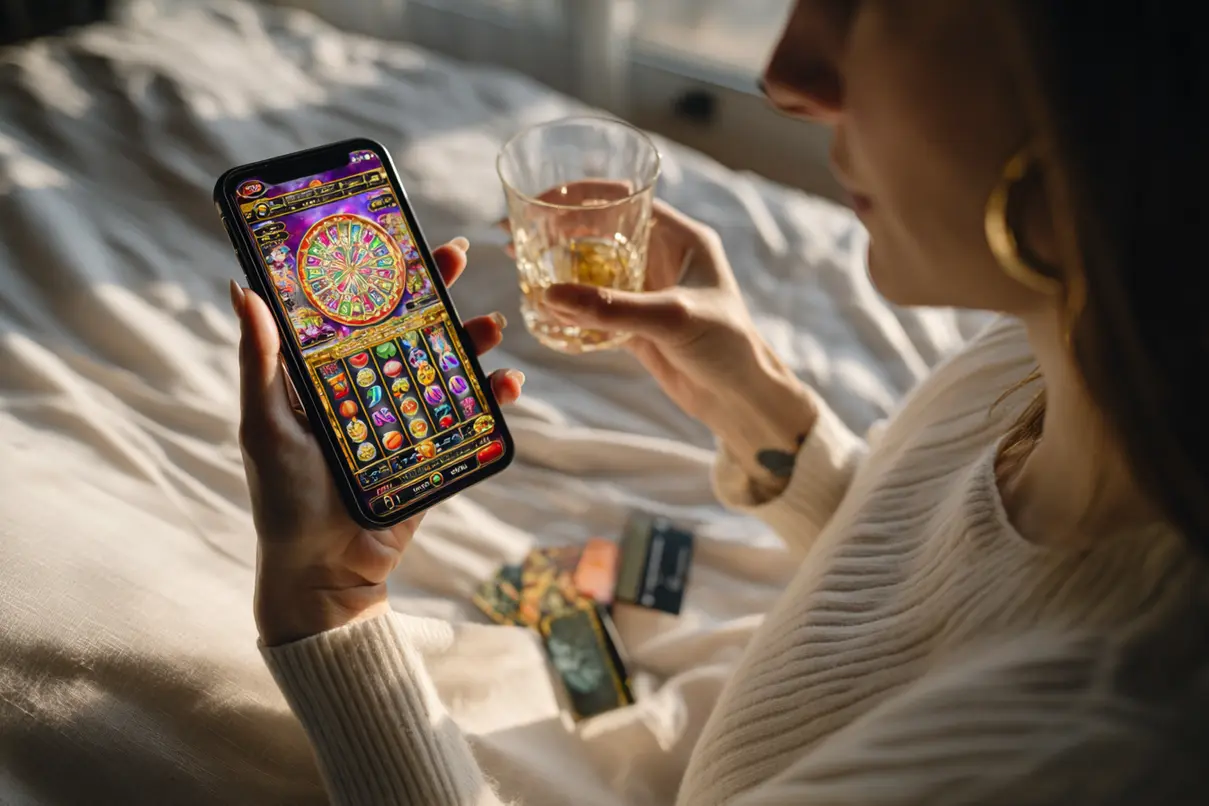
Her message is blunt: do not go to casinos. Do not install online casino apps. Do not play with your nervous system while telling yourself it will not happen to you.
What you can do
- Write down when the urge to gamble usually starts: alcohol, stress, loneliness, payday, ads.
- Remove the main trigger if you can identify it.
- Do not test yourself by going in “just to look.”
- Use a day counter for gambling, alcohol, or other triggers.
- Show it to one safe person.
- Find support: therapist, group, friend, community.
- Replace not just the behavior but the state: movement, walks, yoga, music, sober connection.
- If you are borrowing money to win it back, tell the truth before the next bet.
- If you have debts or suicidal thoughts, seek urgent professional help.
FAQ
How do I know a casino has become an addiction?
If you cannot stop, hide gambling, borrow money, chase losses, or gamble after drinking, it is time to seek support.
Why are alcohol and gambling often connected?
Alcohol lowers inhibition and makes risk feel easier. In Alevtina’s story, it was often the doorway to gambling.
Can I go to a casino just to watch?
For someone with gambling addiction, “just watching” can become a dangerous loophole. Not going in is often safer.
What helps prevent relapse?
Honesty, support, therapy, avoiding triggers, a day counter, new routines, and a firm boundary around the first bet.
What would Alevtina say to someone thinking of trying a casino?
Do not go. The possibility of winning is not worth the risk of losing control, money, relationships, time, and health.
Conclusion
Alevtina’s gambling started as red or black on an 18th birthday. It became alcohol, nights out, debt, self-deception, and fear. Her way out began with a clear truth: I cannot control this, I need help, and I do not want to live this way anymore.
OpenHalt
Alevtina’s story begins with a bet that looked harmless. It changes when she stops bargaining with the next one.
If you know the feeling of wanting to win back what you lost, hiding how much you played, or promising yourself this was the last time, you can write in the anonymous OpenHalt gambling support chat. You do not need a perfect plan before you enter. You can start with one honest sentence: “I want to stop, but the urge is strong today.”
Join the gambling support chat
If debt, gambling loss, or despair has brought thoughts of harming yourself, contact urgent crisis or emergency support in your country now.