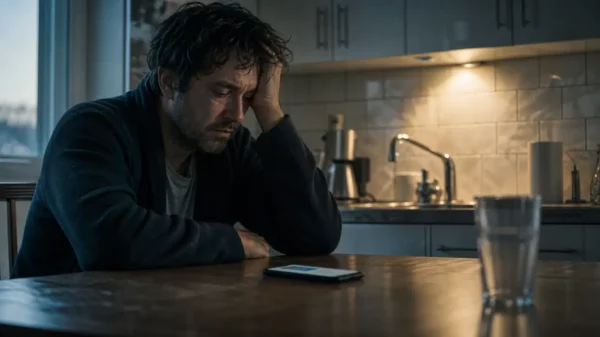

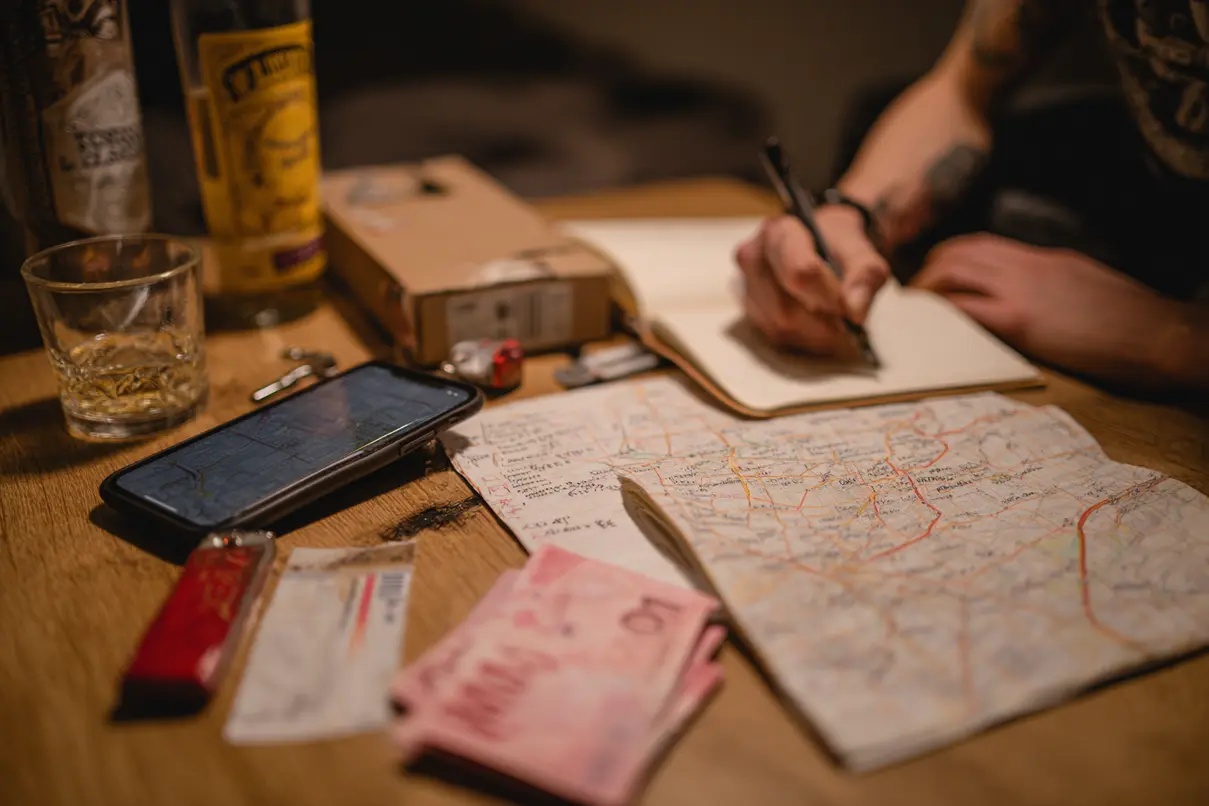
Rules written by experience
In this OpenHalt conversation, psychologist Alexey Zharkov explains that a safety plan is not a magic pill. It cannot guarantee that relapse will never happen.
But it can lower the risk. It helps a person notice the people, places, money, objects, phone calls, music, and relationships that can switch on the old pathway before critical thinking has time to catch up.
Relapse often does not start with “I want to ruin my recovery.” It starts with “I’ll just look,” “I’ll just talk,” “I’ll just stop by.”
No contact with substances
The first rule is simple: do not hold, store, pass, buy, or keep substances “for someone else.”
For a person in recovery, even physical contact with alcohol or drugs can become an internal permission slip. The brain may remember relief and euphoria before it remembers consequences.
In early recovery, it can be safer to avoid alcohol aisles, bars, clubs, and “just checking what’s new.”
People and places that pull you back
Old using friends, group chats, phone numbers, doorbells, neighborhoods, pharmacies, routes, bars, and places connected to use can all become triggers.
This is not about punishing yourself with isolation. It is about protecting recovery before the mind starts negotiating.
If your route to work passes old using spots, change the route. If you cannot avoid a place, do not slow down and do not turn it into a memory tour.
Remove objects and change the environment
Glasses, syringes, old clothes, a chair, a playlist, a movie that romanticizes use – the brain attaches states to objects.
If you cannot change everything at once, start with the strongest triggers. Move furniture. Change the playlist. Build a room that does not keep pulling you back into the old life.
Money, gambling, and quick relief
Loose money can be risky. A shopping list, limited cash, card limits, and support from trusted people are not signs of weakness. They are recovery tools.
For gambling addiction, money can be the doorway. “One deposit” can quickly become the whole cycle again.
Relationships in early recovery
When feelings start to thaw, warmth can feel like love for life. A relationship can become a new substance: comfort, meaning, closeness, escape.
That is why early recovery often needs slower relationships, therapy, group support, sponsor conversations, and honesty. Another person should not become the new dose.
This includes sex. Chemical sex, shame, disappointment, sexually transmitted infections, unwanted pregnancy, and rejection can all trigger a return to use.
Phone, media, and overconfidence
Changing your number, blocking old contacts, not opening the door to people from the old life – these can be practical safety steps.
Movies, shows, and music matter too. If something romanticizes substance use or pulls you into old states, take a break.
One dangerous sentence is: “I’m safe now; this can’t affect me anymore.” Overconfidence often shows up before relapse.
What can help
- Write down your triggers: people, places, money, music, media, relationships.
- Remove substances and related objects from your home, car, and phone.
- Change routes and block old contacts.
- Put financial limits in place.
- Avoid bars, clubs, and alcohol-centered events in early recovery.
- Do not rush into intense relationships without support.
- Make a list of people to call when cravings show up.
- Seek urgent help if there is overdose risk, suicidal thinking, or loss of control.
FAQ
What is an addiction recovery safety plan?
It is a practical list of rules and actions that help reduce contact with relapse triggers.
What are common relapse triggers?
Substances, old people, places, objects, money, stress, loneliness, intense relationships, music, movies, and the belief that “I’m not at risk anymore.”
What should I do if cravings already started?
Do not stay alone. Call a sponsor, therapist, support person, or group, leave the risky place, remove access to substances and money, and seek emergency help if your life is at risk.
Keep reading
- Motivation for recovery: how to leave the comfort zone of addiction
- Alcohol addiction defense mechanisms: denial and control
- Gambling addiction: signs, stages, and the moment to stop
OpenHalt
OpenHalt supports people in recovery, after relapse, and at the beginning of remission. If these risks feel familiar, do not try to get through recovery on willpower alone.
You can start by writing your own safety plan and sharing it with someone who supports your recovery.
If there is overdose risk, suicidal thinking, or loss of control, seek urgent help in your country.