
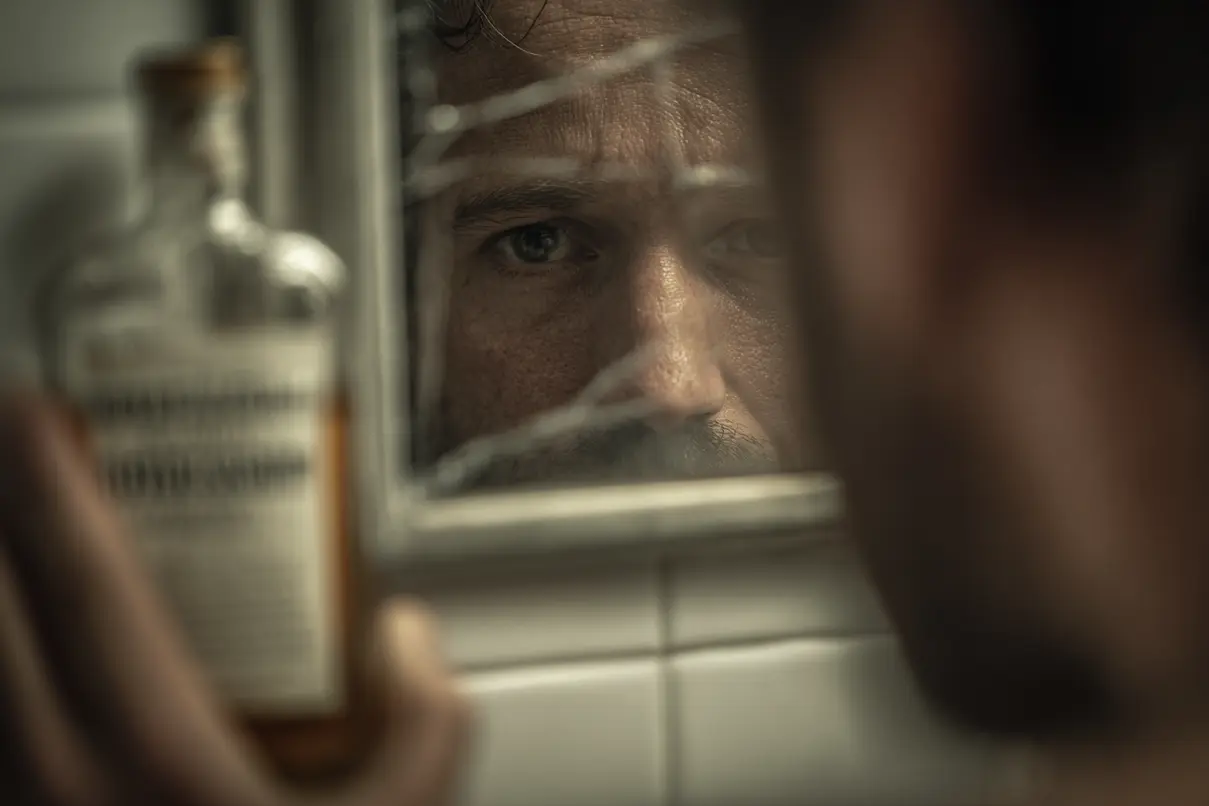
The defense walks in before the person does
In this OpenHalt conversation, Masha Nikolaeva speaks with Albina Lysenko, a psychiatrist, addiction medicine specialist, and psychotherapist. The topic sounds clinical, but in real life it sounds painfully familiar: someone is drinking, the consequences are already visible, and they say, “I’m in control.”
Albina works in an addiction treatment unit where patients stay for 28 days. The first task is often physical stabilization after heavy drinking or withdrawal. Then comes the harder work: helping a person see the illness.
Albina puts it sharply: often, the psychological defense walks into the office first. The person comes later.
Most people do not arrive ready
Many people do not enter treatment after a calm morning decision to understand their drinking. They arrive because of pressure: legal problems, family crisis, child welfare issues, workplace consequences, or the threat of losing something important.
In Albina’s experience, voluntary admissions are rare. Over two years, she remembers about twenty people out of roughly five hundred who came because they had already decided they wanted help.
That does not mean the others are hopeless. It means the work often begins at the very first step: “I have a problem.”
Where alcohol dependence begins
Albina does not start with shame. She starts with questions.
Can I sleep without alcohol? Can I relax after work without alcohol? Can I meet people, be in company, enjoy life, or celebrate without alcohol?
If the answer is no, it is worth pausing.
Craving, loss of control, and tolerance
The conversation names several warning signs: strong craving, loss of control over the amount, rising tolerance, withdrawal symptoms, and life narrowing around alcohol.
“I can drink a lot and still stand” is not a badge of strength. For an addiction specialist, it can be a warning sign. The body has adapted to a toxic substance and needs more to get the same effect.
Withdrawal and “needing a drink to feel better”
Shaking hands, sweating, sleep problems, and drinking to ease the morning-after state are not just “a rough night.”
They may point to physical dependence.
The myth: “I’m not passed out in the street, so I’m fine”
One common defense is comparing yourself to someone who is visibly worse.
“I’m not lying under a fence.” “I don’t black out.” “I go to work.” “Those people are the real alcoholics.”
The problem is that the most visible late stage of illness does not erase earlier stages. Alcohol may already be damaging family, work, health, trust, and the ability to enjoy life without drinking.
Denial, minimization, and repression
Denial sounds like: “I’m not sick,” “I don’t have a problem,” “everyone is exaggerating.”
Minimization sounds softer: “only on holidays,” “not that much,” “everyone does it.”
Repression is quieter. Painful scenes fade or disappear: what I said, who I hurt, how I acted, what happened the next morning. Loved ones often remember those scenes more clearly than the person who drank.
Illusion of control and projection
“I can drink or not drink.” “If I want to stop, I’ll stop.” “Everything is under control.”
Albina describes the painful contrast: a person may already be sitting in front of an addiction doctor, already facing consequences, and still talking about control.
Projection shifts attention to other people: Katya drinks, Ivan goes on binges, they have a problem. Comparison gives brief relief, but it avoids the real question: what is happening with me?
Rationalization and postponing treatment
Rationalization can sound smart: I have a hard life, work is stressful, my partner provokes me, people in France drink wine every day, famous writers drank too.
Lots of words, little contact with the center of the problem.
Another defense is postponement: first I’ll fix work, family, school, money, and then I’ll come back to treatment. From the outside, it can look responsible. Sometimes it is a way to leave the room where the truth is being named.
Remission, not “I’m cured forever”
Albina is clear: addiction is a chronic condition. A person can enter remission and live sober, but the thought “I’m cured now, I can try drinking again” can become dangerous.
The first year of sobriety is often hard. The nervous system has been used to sedation from alcohol. Without it, irritability, sleep problems, tension, and emotional discomfort may show up.
The family also has to adjust. Sometimes the sober person becomes “inconvenient” because the old system no longer works.
Family and codependency
Albina says that working with family members can sometimes be harder than working with the addicted person. Families adapt to alcohol over years: controlling, rescuing, predicting, hiding, raging, hoping.
When the person stops drinking, the old roles start to shake.
That is why support matters for the whole family. Therapy, family groups, Al-Anon, or local peer support can help loved ones find boundaries and steadiness.
What you can do
- Write down the phrases you use to explain drinking.
- Check the facts: craving, control, amount, withdrawal, work, family, health.
- Do not compare yourself only to people who are visibly worse.
- Ask: can I rest, celebrate, sleep, and enjoy life without alcohol?
- If there is withdrawal, binges, or loss of control, talk to an addiction specialist.
- If a loved one denies the problem, do not build the whole conversation on accusations.
- Share information about defense mechanisms and signs of dependence.
- Get support for yourself too.
FAQ
What are defense mechanisms in alcohol addiction?
They are ways the mind avoids painful truth. A person may deny the problem, minimize consequences, repress memories, compare themselves to others, or explain drinking through outside circumstances.
Why does someone with alcohol addiction deny the problem?
Because admitting addiction can bring shame, fear, and the loss of a familiar self-image: “I’m fine, I’m in control, I’m not like them.”
How can you tell alcohol has become a problem?
Warning signs include strong craving, loss of control, rising tolerance, withdrawal symptoms, drinking despite consequences, and difficulty relaxing or enjoying life without alcohol.
Can alcohol addiction be cured forever?
In the conversation, addiction is described as chronic. A person can live in remission and sobriety, but returning to alcohol may reactivate the old cycle.
How do you talk to someone who says “I’m in control”?
Stay close to facts and consequences rather than insults. You can suggest a consultation with an addiction specialist and seek support for yourself at the same time.
OpenHalt
OpenHalt talks about addiction without shame and without romanticizing it. If you recognize yourself or someone close to you in these phrases, you can start with facts: what is happening with control, family, work, health, sleep, and the ability to live without alcohol?
Sometimes the first step is not convincing someone forever. Sometimes it is finding a place where you can name what is happening and stop carrying it alone.
Join the chat “He says: I’m in control”